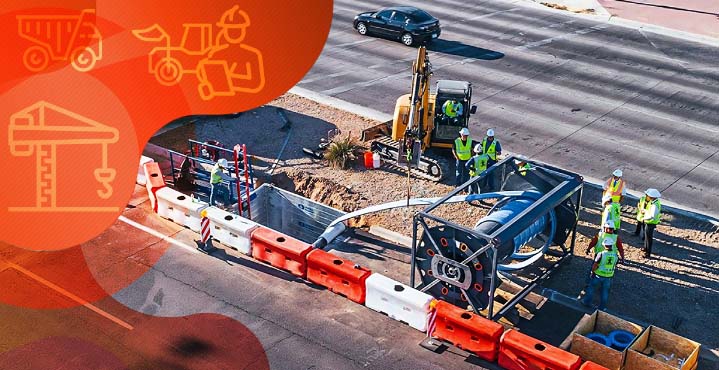
Water-Filled Barriers: The Smart Choice for Traffic Control and Work Zones
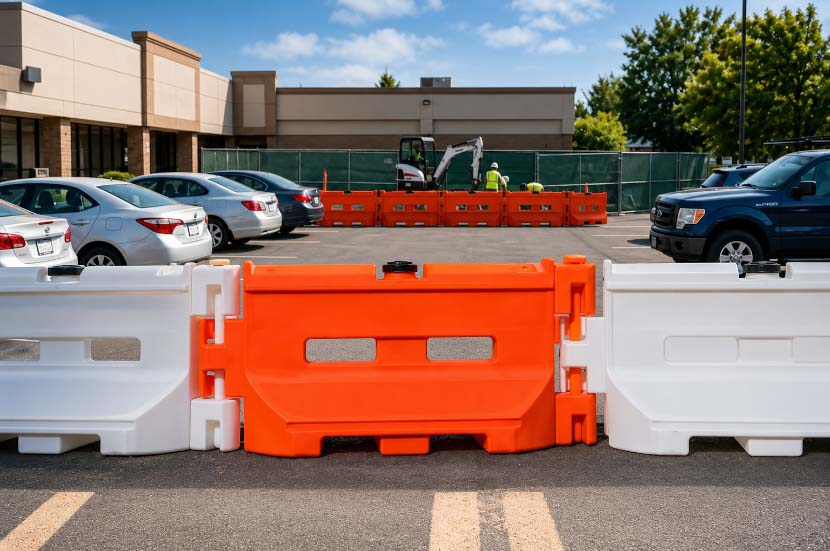
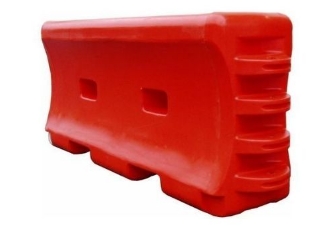
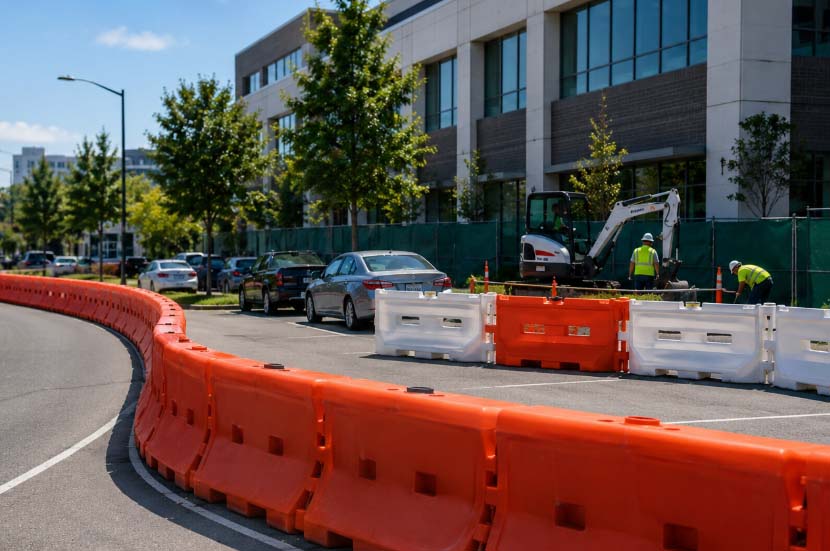
Water barriers, also known as plastic jersey barriers, provide temporary vehicle and pedestrian separation for road construction, utility work, parking facilities, and other controlled traffic environments.
Filled on-site for added stability and shipped empty for easier transportation, they offer a practical alternative to concrete barriers while remaining easy to deploy, relocate, and store.
Certified to multiple MASH Test Levels, SONCO's water-filled barriers make it easy for contractors to specify the right product for virtually any project requirement.
Compare Water Barrier Product Families
There are a variety of water barrier options to choose from. The table below will help you find the best fit for your project.
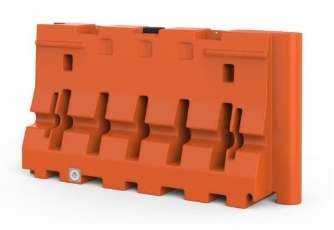
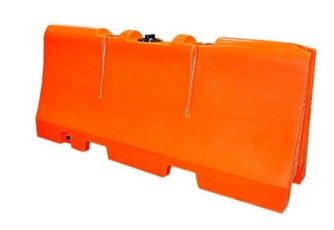
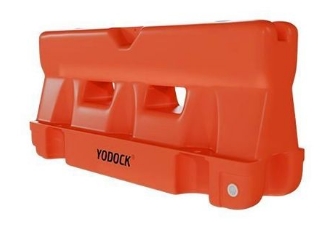
Designed for low-speed roads and work zones with operating speeds up to approximately 50 mph.
Covers a wide range of roadwork applications with models certified for both low and higher-speed roadways.
Designed for higher-speed roadways. Provides greater impact performance depending on the selected model.
Designed for high-speed highways. Recommended where project specifications require the highest barrier performance.
Suitable for
Local roads, urban streets, parking facilities and utility work.
Local roads, urban streets, major road construction, and municipal construction.
State highways, lane closures, DOT contracts, and long-term roadway work.
Interstate highways, major transportation projects, roadway work, and infrastructure projects.
Certifications
TL-1
TL-1 and Tl-2
TL-2 and TL-3
TL-3
What to Look For When Choosing a Water Barrier
Choosing the right water barrier starts with understanding your project's requirements. Selecting the right barrier means balancing project specifications with handling requirements and overall project costs.
For roadway and infrastructure projects, the required MASH Test Level (TL-1, TL-2, or TL-3) is typically specified in the contract documents and determines the minimum crash performance your barrier must meet.
Once you've identified the required certification, compare the following specifications:
Barrier dimensions
Empty weight
Water capacity
Filled weight
Interlocking design
Available colors
Compatibility with fence toppers
Freight efficiency
Common Applications for Water-Filled Barriers
Water-filled barriers are a versatile and cost-effective long-term solution. They can be shipped empty for ease of handling and to save freight costs. Water is then added on-site to provide the necessary ballast. Once the job is complete, they can be drained, transported and stored ampty for future jobs.
Road Construction
Separate live traffic from active work areas while meeting roadway specifications.
Highway Maintenance
Separate live traffic from active work areas while meeting roadway specifications.
Utility Projects
Protect excavation sites and organize temporary traffic around active utility work.
Events and Restricted Areas
Create temporary vehicle barriers around festivals, service roads, pedestrian zones, and loading areas.
Accessories for Water-Filled Barriers
Expand the functionality of your water barriers with accessories. Use them to improve traffic control, perimeter security, and site access.
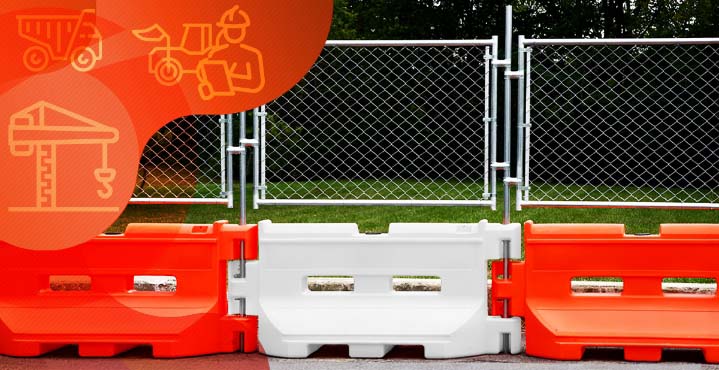
Fence toppers — Add temporary fence panels above the barriers to create secure perimeters.
Connection pins — Lock adjacent barriers together for continuous traffic control runs.
Gates — Create controlled access points for vehicles and pedestrians.
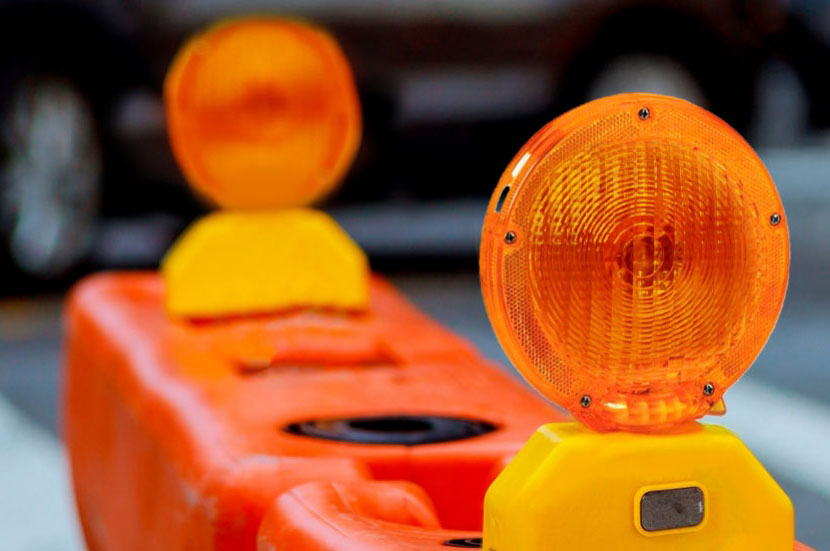
Barrier lights — Improve nighttime visibility and increase driver awareness.
Water Barricades FAQs
1. What MASH Test Level water barrier do I need?
A: The required Test Level is typically specified in the project plans or contract documents. SONCO offers barriers certified to TL-1, TL-2, and TL-3 requirements.
2. What's the difference between TL-1, TL-2, and TL-3 barriers?
A: Each Test Level represents a different level of crash testing. Higher Test Levels are intended for higher-speed roadways and more demanding traffic control applications.
3. Can water-filled barriers be shipped empty?
A: Yes, water-filled barriers are designed to be shipped empty to save on freight costs and to make handling easier. They can then be filled on-site and drained once the project is over and stored empty or transported to the next jobsite.
4. Can water-filled barriers support temporary fencing?
A: Yes. Many water-filled barriers can be fitted with fence topper systems to create secure temporary perimeters. However, once a fence topper is installed, the barrier should no longer be used as a traffic channelizing device. Fence toppers are intended for perimeter security applications, not active roadway traffic control.
5. Are water barriers reusable?
A: Yes. They are designed for repeated deployment. After the project is complete, simply drain the water and transport the barriers to the next jobsite.
6. How do I choose the right water-filled barrier?
A: Start with the required MASH Test Level, then compare dimensions, water capacity, handling requirements, and any project-specific specifications. If you're unsure which model meets your contract requirements, SONCO's experts can help identify the best solution for your project.
7. Are plastic jersey barriers used only for road construction projects?
A: No. While commonly associated with roadwork, water barricades can be used at events, venues, industrial sites, and operational facilities. They can be deployed wherever temporary traffic organization or controlled access is needed.