


Orange
Item 1 of 3

1 of 3




Ship To




Rentals

Sign In

Quote

Cart

Filter


1 of 3
1 of 3


Showing 1 - 12 of 20 results
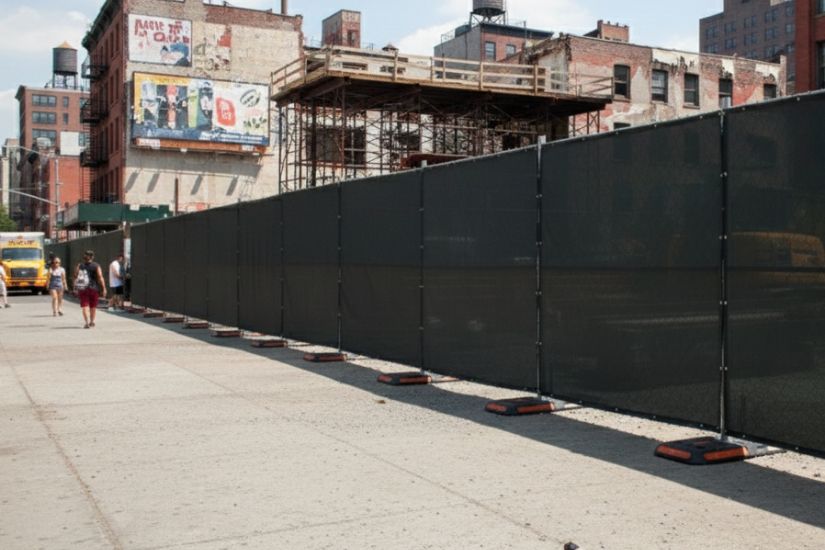
Fence screens are an essential upgrade for temporary fence perimeters, especially for jobsites.
Whether your priority is privacy, dust control, branding, or a cleaner jobsite appearance, the right fence screen helps you manage your perimeter more effectively.
SONCO’s fence screens combine visibility blockage with airflow, adding durability and ensuring compliance to support real-world jobsite conditions.

Different projects require different types of fence screens. Some prioritize protection and containment, while others focus on visibility and branding.
|
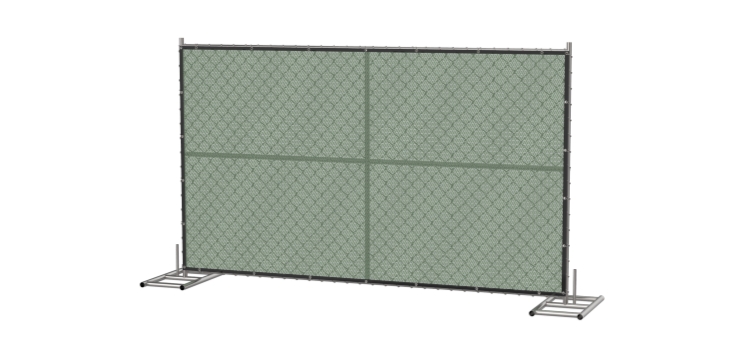
Privacy fence screens are ideal when your goal is to conceal valuable materials, improve security, and maintain a clean, compliant jobsite. They are available in:
|
|
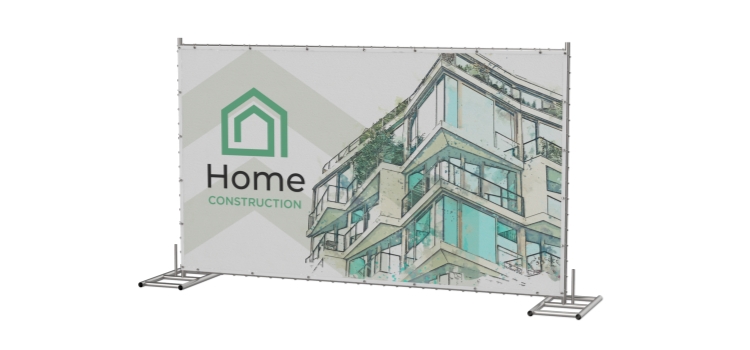
Custom fence screens turn your jobsite perimeter into a communication tool. Instead of just blocking visibility, they allow you to showcase your brand or messaging. They feature:
|

|
Used when materials, equipment, or active work areas need to be visually shielded from public view along temporary fence lines. |

|
Screens help contain airborne particle and reduce the impact on surronding areas throughout operations. |

|
Windscreens with added logos enhance project visibility, utilizing the fence line to display branding or directional messaging. |
CWhen selecting a fence screen, choose the right blockage level based on the visibility you want to allow, and your site's exposure to wind.
|
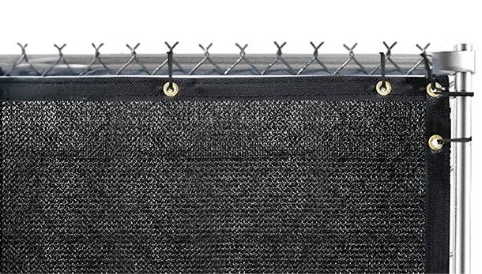
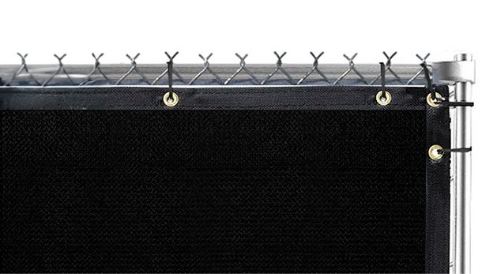
A 60–80% blockage screen is a balanced option for most construction sites. It reduces visibility enough to keep the site organized and professional, while still allowing airflow through the mesh. This level is especially useful for jobsites in windy or open areas, but its open weave makes it less suitable for detailed artwork printing. |
|
For maximum concealment, choose an 85% to 98% blockage screen. These levels are better suited for concealing equipment and materials and produce sharper printed graphics for branding and signage. Keep in mind that higher blockage reduces airflow, so fence panels should be properly anchored to help prevent wind-related tipping. |
Beyond blockage level, the screen's materials and design features directly impact its jobsite performance.
For example, some of SONCO’s fence screens include integrated wind vents, which help reduce pressure caused by strong winds. These vents allow air to pass through more easily, minimizing strain on fence panels.
They are especially useful for:
Open construction sites
Elevated or coastal environments
Long-term installations exposed to changing weather
1. How easy is it to install SONCO fence screens?
A: SONCO fence screens are designed for quick and straightforward installation, even on active jobsites. Most screens come with reinforced grommets along all edges, allowing them to be securely attached using zip ties, clips, or similar hardware. In most cases, installation can be done by a small crew without specialized tools.
2. Can I buy fence screens in bulk and get them delivered nationwide?
A: Yes. SONCO supports bulk purchasing for large-scale projects, making it easier to cover full perimeters efficiently. Orders can be shipped nationwide, helping contractors and site managers maintain consistency across multiple locations.
3. My site is very windy and I need about 80% concealment for security. What is the best solution?
A: An 85% blockage screen can provide a good balance between privacy and airflow, but in windy areas it should be paired with the proper support system. Adding wind vents to the screen or using fence ballast, such as SONCO Anchor Bases, can help reduce the risk of panels tipping over.
4. I need to display my company logo on the fence. What should I choose?
A: A custom printed fence screen is the best option if you want full surface graphics, logos, or detailed artwork. For a more economical alternative, SONCO also offers a Privacy Screen with Logo, which features your company logo in up to four colors while still providing concealment and site coverage.
5. What's the most economical fence screen option?
A: Raw fence screen rolls are the most economical choice. Unlike finished privacy screens, they do not include reinforced hems or grommets, which helps keep costs down. While the edges may fray over time, they are a practical solution for short-term projects.
6. Can a fence screen be used for more than just simple branding?
A: Yes. While a privacy screen with logo is common, custom fence screens include full-scale artwork renders and safety signage messaging that transforms a construction site into a visual asset.
7. Are fence screens used for short-term and long-term projects?
A: Yes, fence screens are used in both short- and long-term applications. For short-term applications, they can be removed and reused. For extended installations, UV-resistant materials and reinforced hems help maintain the screen's appearance and performance over time.
|
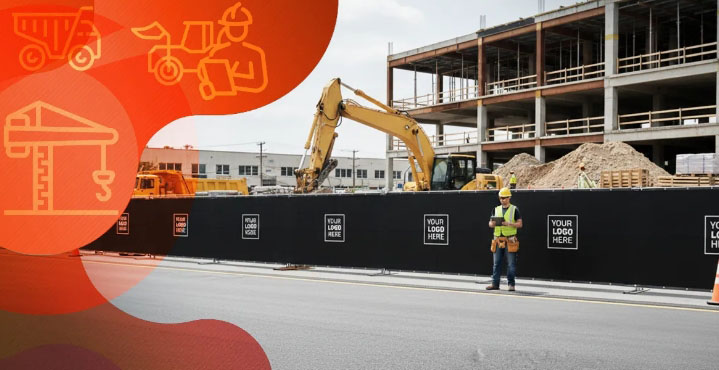
Learn how custom fence screens and privacy fence screens are used to combine perimeter separation with branding and site identification as part of temporary fence systems. |
|
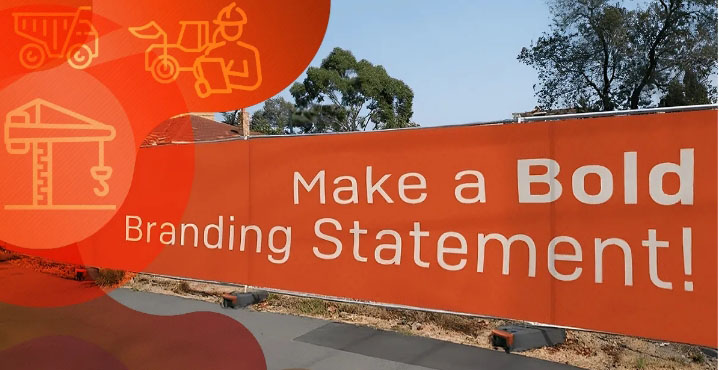
Explore how different types of fence screening material support safety messaging, directional signage, and organized presentation across temporary fencing setups. |


