


Ships in 2 business days
Item 1 of 6

1 of 6




Ship To




Rentals

Sign In

Quote

Cart

Filter


1 of 6
1 of 6


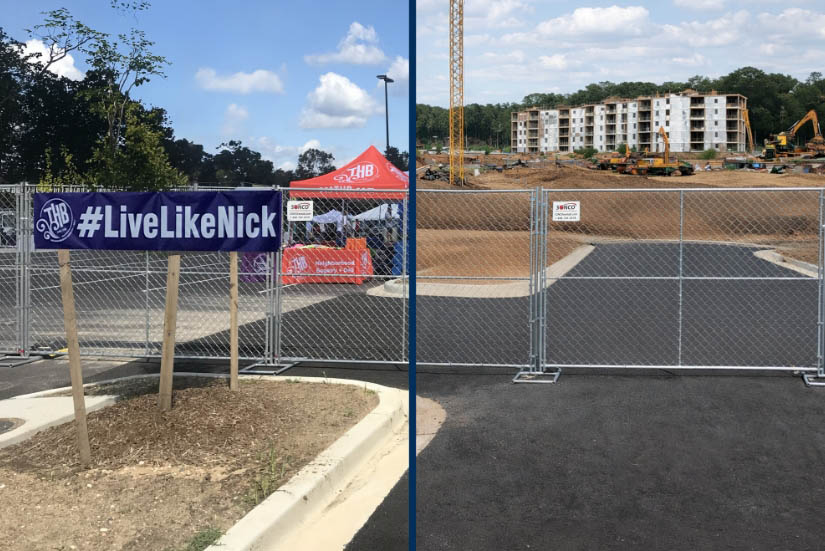
When projects involve changing environments, temporary activity zones, or public exposure, defining space becomes a recurring operational challenge.
To help jobsite managers meet this challenge, SONCO offers temporary fence panels in multiple configurations, installation systems, size differences, and even bulk offers for large perimeters.
The more times a temp fence panel is moved, the more important durability becomes.
Reinforced frames, quality materials, and the right installation system are all important factors to consider in when making your decision.

|
|
|
|
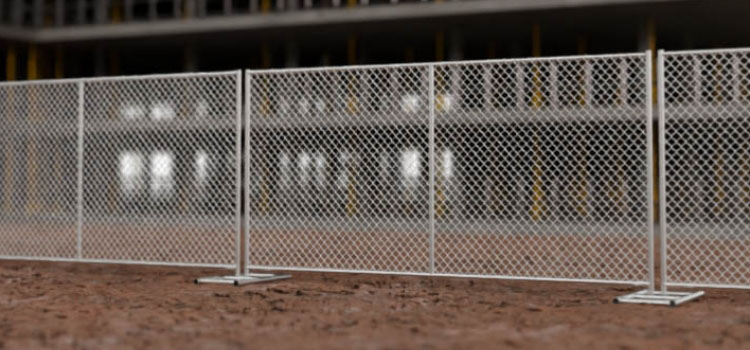
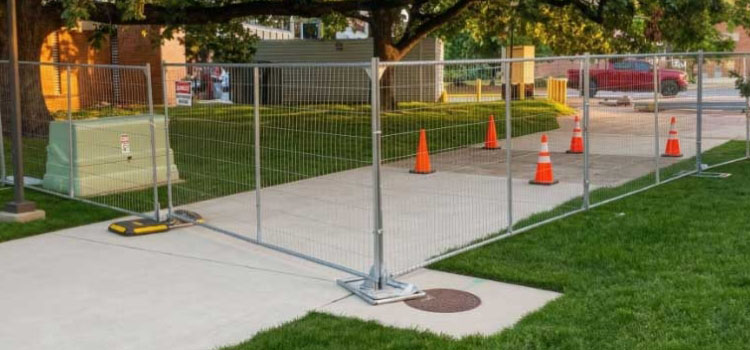
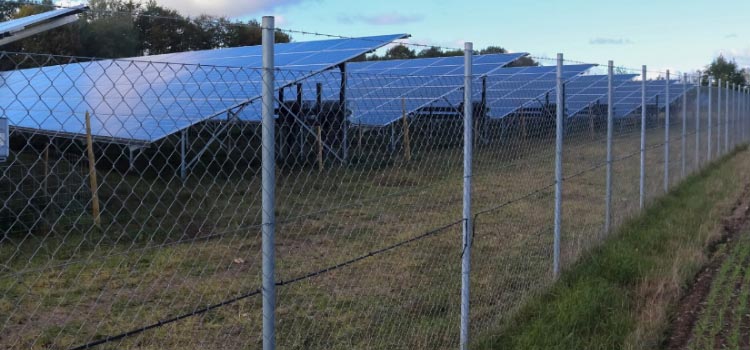
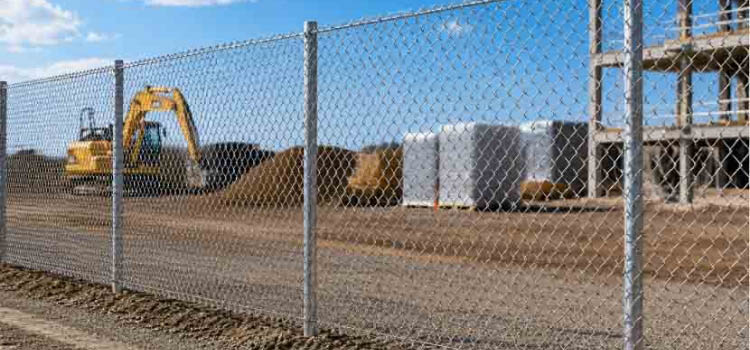
Temporary fencing is used in operational scenarios where boundaries need to be clear, yet flexible, and easy to reconfigure across active jobsites, public-facing areas, and short-term projects.

|
Temporary constrcution fence is commonly used on active jobsites to separate work zones, equipment, and materials from surrounding public areas. |

|
Temp fences are used to define entry paths, service routes, and checkpoints. Add gates to support access control as perimeter needs shift. |

|
In places where pedestrian or vehicle movement overlaps with temporary work, temporary fencing creates separation between active areas and circulation paths. |

|
Chain-link fences are commonly used at events, staging areas, and short-term setups where layouts must remain adjustable over time. |
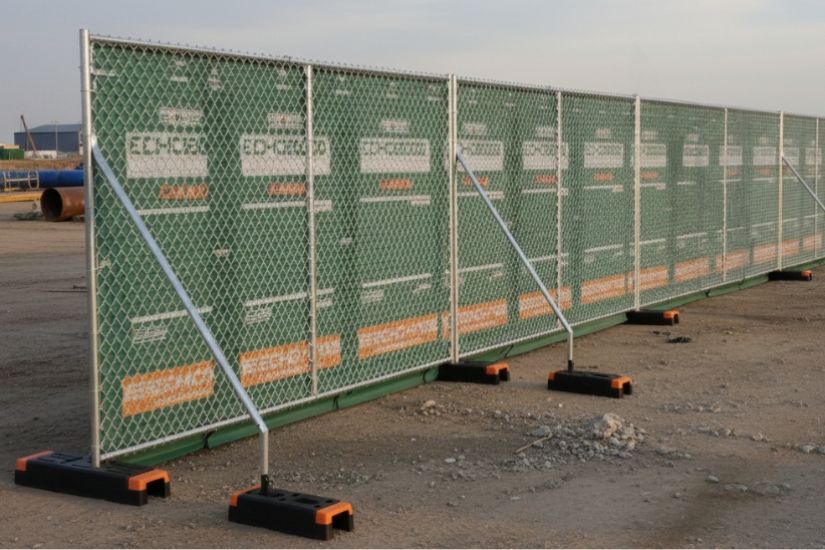
Whether your project runs two weeks or two years, the right fence accessories will reduce liability, facilitate access control, and keep your site compliant. Popular accessories include:
Custom Fence Screen: Display company branding, sponsor graphics, safety messaging, or project information.
Privacy Screen: Enhance privacy on the jobsite while helping control dust, debris, and wind exposure.
Fence Weights: Add ballast to temporary fence systems for greater stability, especially in windy conditions.
Fence Brace: Reinforce fence runs and help support panels in areas exposed to increased wind loads.
Acoustic Barriers: Reduce noise transmission from construction activities to surrounding public spaces.
Installing temporary fence panels is straightforward and can typically be completed by a small crew in a short amount of time, depending on the size of the perimeter. Here are the basic steps:
Map out your fence placement;
Position the fence feet and weights;
Insert each temporary fence panel into the base.
Connect adjacent panels using fence clamps.
Add accessories such privacy screens, braces, or fence weights as needed.
As project requirements evolve, the perimeter can be quickly reconfigured by unclamping and repositioning the panels, providing a flexible fencing solution without the need for permanent installation.
1. Do temporary fence panels replace other safety systems?
A: No. Temporary fencing works alongside signage, traffic control, and crowd control systems as part of a coordinated site safety approach.
2. Is temporary fencing suitable for extended project durations?
A: Yes. SONCO's modular systems are built for both short-term and long-term projects, offering perimeter flexibility as site conditions evolve over time.
3. What are the environmental considerations for temporary fencing?
A: Ground type and wind exposure are the main factors. Soft or muddy ground calls for post-driven systems. Paved surfaces work best with freestanding panels and ballast feet. High-wind zones benefit from reinforced bases and screening accessories.
4. Do temporary fence panels meet compliance requirements?
A: Yes. SONCO's panels meet standard compliance requirements for construction sites and public-facing environments. Specific requirements vary by jurisdiction — our team can help identify the right configuration for your project.
5. What materials are used in temporary fencing?
A: Galvanized steel chain-link panels, welded wire configurations, and post-driven steel systems. Screening accessories are made from UV-resistant, high-density polyethylene mesh.
6. Do I need a large crew to install temporary fencing?
A: No. Most configurations can be handled by two to three people with no specialized tools or heavy equipment.
7. Can temporary fencing be used in schools or public spaces?
A: Yes. SONCO's systems are regularly deployed in schools, public parks, and municipal jobsites, and can be configured to meet local safety codes without disrupting surrounding activity.
Need help planning your layout or setup? Start with these guides.

|
This content hub brings together planning considerations, common use cases, and FAQs for temporary fencing—helping teams choose the right setup for jobsites, events, and public-facing areas. |

|
This guide provides a practical walkthrough of how temporary chain-link fencing is typically set up—covering panels, connections, stabilization, and common site scenarios. |


