






What Does Galvanized Mean? Best Construction and Industrial Applications

Giuliano Marinho, September 25, 2020
Read more about the author


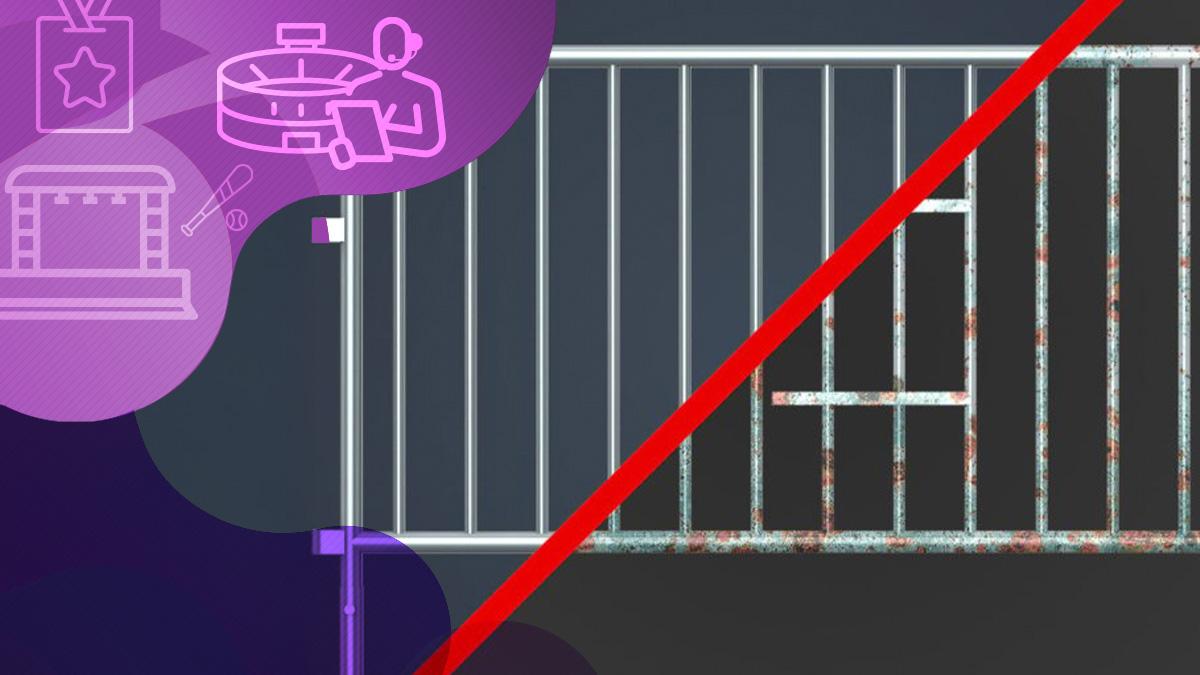
Galvanized steel is steel that has been coated in zinc to protect it from rust and corrosion. That's the short answer. For construction managers, the more useful question isn't the definition itself, it's what that coating means for the equipment sitting on a jobsite through six months of rain, freeze-thaw cycles, and daily handling.
Steel used in construction rarely gets an easy life. It sits outdoors, gets stacked and restacked, takes impacts from equipment and foot traffic, and is exposed to everything from coastal humidity to road salt. Untreated steel under those conditions starts rusting fast, which drives up replacement costs and creates safety risks on active sites.
In this guide, you'll learn:
- How the galvanizing process actually works
- Why galvanized steel has become the standard for outdoor construction equipment
- Where it delivers the most value on a jobsite
- How to evaluate galvanized products before you buy
Key Takeaways
- Galvanized steel is protected by a zinc coating that resists corrosion through sacrificial protection.
- Hot-dip galvanizing provides the most durable protection for outdoor and jobsite applications.
- Galvanized equipment requires less maintenance than untreated steel, which lowers total cost of ownership.
- Construction and site-safety teams rely on galvanized fencing and barricades because they hold up under repeated handling and harsh weather.
- The right galvanized coating can extend a product's service life by decades, not years.

What Does Galvanized Mean?
Galvanizing is the process of applying a layer of zinc to steel or iron to protect the base metal from rust. The most common and durable method is hot-dip galvanizing, where steel is submerged in a bath of molten zinc, creating a bonded layer that acts as a barrier against moisture and oxygen.
The zinc coating works through sacrificial protection: zinc corrodes before the steel underneath does, and it corrodes far more slowly. Even if the coating is scratched or chipped, the surrounding zinc continues to protect the exposed steel, something a simple paint or powder coating can't do on its own.
How the Galvanizing Process Works
Hot-dip galvanizing follows a consistent sequence, and understanding it helps explain why the finished product performs the way it does on a jobsite.
- Cleaning: Steel is degreased and cleaned to remove oil, dirt, and mill scale so the zinc can bond properly.
- Fluxing: A flux solution removes any remaining oxidation and prepares the surface for coating.
- Hot-dip zinc bath: The steel is fully submerged in molten zinc at roughly 850°F, forming layered zinc-iron alloys bonded to the base metal.
- Cooling: The coated steel is cooled, allowing the zinc layers to solidify into a hard, protective shell.
- Inspection: Coating thickness and consistency are checked against industry standards before the product ships.
This process is why hot-dip galvanized products consistently outperform lighter coating methods in outdoor, high-use environments like construction sites.
Why Galvanized Steel Is the Preferred Choice for Construction Projects
For a construction manager, the case for galvanized steel isn't really about metallurgy, it's about what shows up on the budget and the safety report.
- Corrosion resistance that holds up through repeated exposure to rain, humidity, and temperature swings
- Longer service life, often decades longer than untreated steel
- Lower maintenance costs, since there's no repainting or rust treatment cycle to manage
- Better durability during transportation, where equipment gets loaded, stacked, and moved between sites
- Reduced replacement costs, because galvanized equipment doesn't need to be cycled out as often
- Improved return on investment, the higher upfront cost is offset by years of reduced upkeep and replacement
Where Is Galvanized Steel Used on Construction and Industrial Sites?
Galvanized steel shows up anywhere equipment has to survive outdoors under heavy use. On active jobsites and public-facing projects, that includes:
- Temporary fencing for site perimeters and active work zones
- Chain-link fencing for longer-term site security
- Crowd control barricades for managing pedestrian flow near construction zones
- Event infrastructure supporting nearby public activity
- Warehouse safety barriers and equipment guards
- Stadium and venue security fencing
- Industrial facility perimeter and safety equipment
- Public works installations exposed to year-round weather
- Highway and roadside project barriers
Because galvanized products span so many categories — from anti-scale fencing to bike rack barricades — construction and site-safety managers often end up sourcing several galvanized product types for a single project.

Hot-Dip Galvanized vs. Electro-Galvanized Steel
Not all galvanized coatings are built for the same job. Here's how the two most common methods compare for construction use:
| Feature | Hot-Dip | Electro-Galvanized |
| Zinc thickness | Thick | Thin |
| Outdoor durability | Excellent | Moderate |
| Corrosion resistance | Excellent | Good |
| Best use | Construction, outdoor equipment | Indoor applications |
| Cost | Higher upfront | Lower upfront |
For jobsite equipment that lives outdoors year-round, hot-dip galvanizing is almost always the better long-term investment.
Does Galvanized Steel Rust?
Short answer: eventually, yes. But far more slowly than untreated steel.
White rust can appear early on as a surface-level byproduct of the zinc coating reacting with moisture; it's largely cosmetic and doesn't indicate structural failure.
Red rust signals that the zinc layer has worn through to the base steel underneath, which is a sign the coating is nearing the end of its protective life.
Environmental factors like humidity, salt exposure, and rainfall directly affect how quickly the coating degrades.
Zinc depletion happens gradually as the sacrificial layer wears away to protect the steel beneath it.
Lifespan expectations vary widely based on coating thickness and where the equipment is deployed.
How Long Does Galvanized Steel Last?
Service life depends heavily on the environment where the equipment is used:
| Environment | Expected Life |
| Rural | 70+ years |
| Suburban | 50–70 years |
| Urban | 30–50 years |
| Coastal | 20–35 years |
Coating thickness, exposure to road salt or industrial pollutants, and how well the equipment is maintained all influence where a given product falls in that range. A galvanized barricade deployed in a dry inland climate will typically far outlast the same product used along a coastline.
Galvanized Steel vs. Stainless Steel
Construction managers frequently weigh these two materials against each other when specifying equipment:
- Cost: Galvanized steel is generally more affordable upfront than stainless steel.
- Corrosion resistance: Stainless steel resists corrosion at the molecular level; galvanized steel relies on its zinc coating, which is highly effective but not permanent.
- Strength: Both offer strong structural performance for typical construction applications.
- Maintenance: Galvanized steel requires minimal upkeep as long as the coating stays intact; stainless steel needs less coating-specific maintenance but can be more expensive to repair if damaged.
- Best applications: Galvanized steel suits high-volume, budget-conscious deployments like fencing and barricades; stainless steel is often reserved for applications demanding maximum corrosion resistance or a specific aesthetic.
What to Look for When Buying Galvanized Products
Not all galvanized products are manufactured to the same standard. Before specifying equipment for a project, check:
- Galvanizing method: Confirm it's hot-dip galvanized rather than a thinner electro-galvanized coating for outdoor use.
- Steel gauge: Heavier gauge steel holds up better to repeated handling and impact.
- Weld quality: Poor welds create weak points where corrosion can start early.
- ASTM compliance: Look for coatings that meet recognized industry standards for thickness and durability.
- Coating consistency: Uneven zinc application leads to premature failure in specific spots.
- Outdoor warranty: A manufacturer's warranty is a good signal of confidence in the product's longevity.
- Manufacturer reputation: Established suppliers with a track record in construction and crowd control equipment are generally a safer bet for long-term performance.
Build Longer-Lasting Projects with Galvanized Steel
For construction managers, the value of galvanized steel comes down to a few practical outcomes: durability that holds up to daily jobsite use, reduced maintenance demands, lower lifecycle costs, and dependable performance across changing weather and site conditions.
Whether you're securing a construction site, managing pedestrian traffic, or installing long-term perimeter fencing, choosing high-quality galvanized products can reduce maintenance, extend service life, and improve jobsite safety.
Explore SONCO's range of galvanized fencing and crowd control solutions built for demanding outdoor environments.

Frequently Asked Questions
Is galvanized steel waterproof?
Not exactly waterproof, but the zinc coating creates a strong barrier that keeps moisture from reaching the steel underneath for many years.
Is galvanized steel stronger than regular steel?
The galvanizing process doesn't significantly change the structural strength of the steel — it primarily adds corrosion resistance.
Can galvanized steel be painted?
Yes, with proper surface preparation, galvanized steel can be painted or powder coated for additional protection or a custom finish.
Does galvanized steel scratch easily?
The zinc coating can scratch, but thanks to sacrificial protection, the surrounding zinc continues to protect the exposed area.
Can galvanized steel rust?
Yes, eventually, but it takes significantly longer than untreated steel — often decades depending on the environment.
Is galvanized steel magnetic?
Yes, since the base metal is still steel, it retains its magnetic properties.
Is galvanized steel safe for outdoor construction?
Yes, it's one of the most widely used materials for outdoor construction equipment precisely because of its corrosion resistance and durability.
What industries use galvanized steel?
Construction, event management, municipal government, public works, warehousing, and venue security all rely on galvanized steel for outdoor equipment.
Trend now

Temporary Fence Rental Lifespan: Tips to Make Your Fence Last Longer
Learn the storage habits that extend the lifespan of every panel.

How to Manage a Crowd at an Event: A Complete Guide for Event Managers
Learn how to manage a crowd at an event with proven strategies for planning, signage, barriers, staffing and more.

How to Install a Mesh Chain-Link Fence: Step-by-Step Guide
Learn how to install a mesh chain-link fence step by step.
Search for category
Request a quote now! 