






Water Barrier Guide: Types, Uses, Benefits, Installation and Safety

Nick Criscuolo, October 19, 2021
Read more about the author


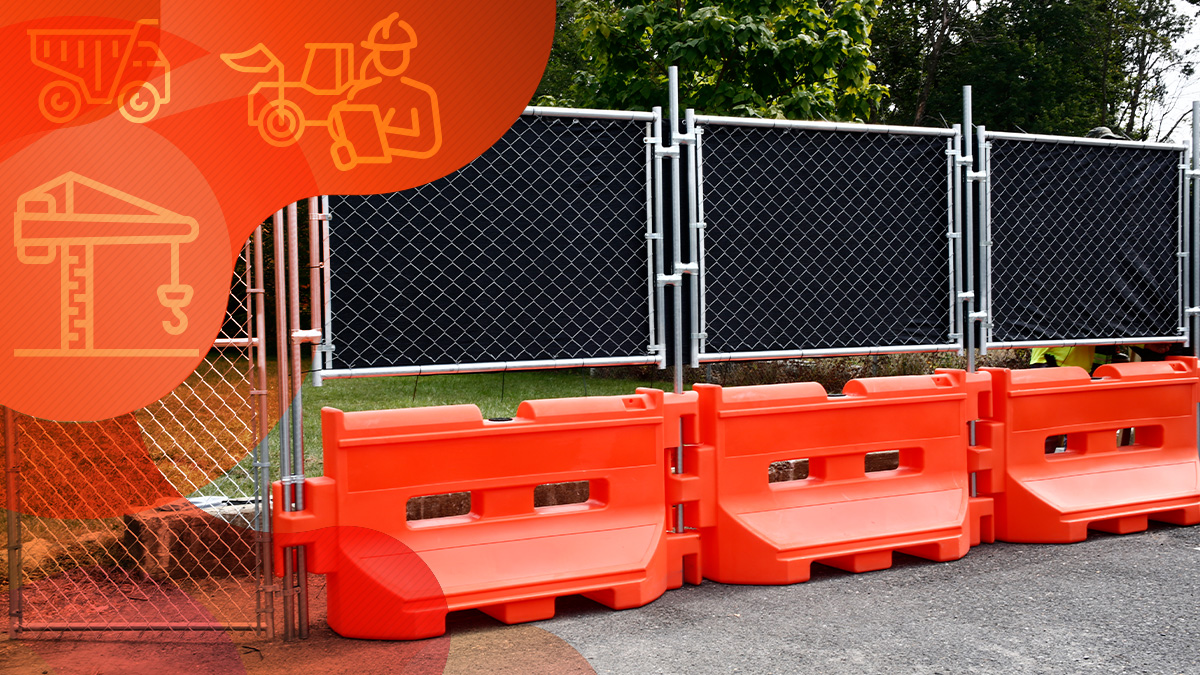
Traffic control managers and venue operators regularly need a temporary physical separation between vehicles, pedestrians and restricted areas. Concrete barriers have long been the default choice for this kind of separation, but they are heavy, slow to move and expensive to store.
Water filled barriers offer a more flexible alternative. Because they can be transported empty and filled with water or sand once they reach the site, crews can deploy them with less equipment and reposition them as project needs change.
This guide covers what water barriers are, where they are commonly used, how they compare with concrete barriers, how filling and installation work, and what to consider when selecting a system for your project.
Key Takeaways
- Water barriers are hollow plastic units that gain their weight and stability from water or sand added on site.
- They are widely used in road construction, traffic control, events and venues, and public sector infrastructure projects.
- Compared with concrete barriers, water barriers are easier to transport empty, faster to deploy, and simpler to store, though actual crash performance depends on the specific product and its test rating.
- Selecting the right system means matching the barrier's application, vehicle exposure, crash test rating, height, visibility and environmental conditions to your project.
What Are Water Barriers Used For?
Water barriers show up across a wide range of settings. What they have in common is the need for a movable, fillable boundary that can go up quickly and come down just as easily.
Road Construction and Work Zones
On active roadways, water barriers are used for lane separation, full or partial road closures, detours, bridge work and utility work. They give crews a visible, physical buffer between moving traffic and the work area, which helps protect workers performing tasks close to live lanes.
Traffic Control
Beyond construction, water barriers help manage everyday traffic flow. Common applications include vehicle channelization, separating pedestrians from vehicle lanes, creating temporary traffic patterns for detours or special events, and restricting access to certain roads or lots.
Events and Venues
Event organizers rely on water barriers for parking control, vehicle exclusion zones, crowd management, and defining entrances and exits. Lined end to end, they also form a perimeter that is difficult to breach, which supports overall site security.
Public Sector and Infrastructure Projects
Municipalities, airports, public facilities and government agencies use water barriers for a variety of infrastructure and security needs, from cordoning off active work areas to securing entrances at sensitive sites.

When Should You Use a Water Barrier?
A water barrier is often the right choice when:
- You need temporary vehicle or pedestrian separation rather than a permanent structure.
- The barrier needs to be transported frequently between sites or moved within the same site.
- The site configuration changes over the course of a project, requiring a flexible layout.
- You need a barrier that can be filled on site instead of delivered at full weight.
- You want to minimize the heavy equipment required for deployment.
- You need a highly visible temporary barrier to alert drivers and pedestrians.
Water barriers should not automatically be treated as a substitute for every type of permanent or crash rated barrier.
Selection should be based on the site's traffic conditions, required containment performance, applicable standards and manufacturer specifications. In situations involving high speed traffic or a need for a specific certified crash performance, the barrier's test rating and manufacturer guidance should drive the decision, not convenience alone.
How Water Filled Barriers Work
An empty water barrier is lightweight and easy to carry, stack or load onto a truck. Once it is positioned, crews fill it through a top port with water or sand, which acts as ballast and gives the unit the mass it needs to stay put and absorb impact.
Most systems interlock end to end using a tongue and groove design, sometimes reinforced with swivel pins, so individual units form a continuous wall that can separate vehicles from pedestrians or from each other.
What Are Water Barriers Made Of?
Most water barriers are manufactured from high density polyethylene, or HDPE, using a rotational molding process.
This construction method produces a wall that resists cracking, chipping and sun damage over years of outdoor use. HDPE barriers are typically rated for a minimum of around eight years of service, even with repeated exposure to sun, rain, wind and freezing temperatures, and frequent relocation.
Water Barriers vs. Concrete Barriers
Anyone comparing barrier types for a project will eventually put water and concrete side by side. Here is how they generally stack up.
| Factor | Water Barrier | Concrete Barrier |
| Transportation | Easier when empty | Requires heavy transport |
| Deployment | Filled on site | Requires equipment |
| Relocation | Easier when drained | Difficult |
| Storage | Stackable when empty | Requires substantial space |
| Configuration | Flexible, straight or curved runs | Less flexible |
| Weight | Variable, based on fill | Extremely heavy |
| Temporary applications | Strong fit | Strong fit depending on application |
| Crash performance | Depends on model and testing | Depends on barrier and system |
It is worth being clear here: neither barrier type is automatically "safer" in every scenario. Crash performance depends on the specific barrier system, its configuration and the crash test rating that applies to it, not the base material alone.
Many water barrier systems are built and tested to specific MASH test levels, which is the standard most agencies reference when evaluating longitudinal barriers for roadway use.
When performance under vehicle impact matters for your project, checking the test level and documentation for the exact product you are considering is more useful than a general assumption about water versus concrete.
How to Choose the Right Water Barrier
Selecting a system comes down to a handful of decision points.
Consider the Application
Traffic control, construction and event use cases each put different demands on a barrier. A construction work zone may need a system that can be reconfigured weekly, while an event perimeter might prioritize a clean visual line and easy pedestrian gates.
Consider Vehicle Exposure
Think about what kind of traffic will run alongside the barrier. A low speed parking lot or pedestrian walkway has very different requirements than a barrier positioned along an active highway shoulder.
Check Crash Test Ratings
If vehicles will be operating near the barrier at any meaningful speed, look at whether the product carries a MASH test level rating, and which one. MASH testing evaluates how a barrier performs when struck by vehicles at defined speeds and angles.
A higher test level generally indicates a barrier designed for higher speed or higher risk environments. This is a more precise and useful data point than broad claims about federal or DOT approval, which can vary depending on what exactly is being certified.
Consider Barrier Height and Configuration
Taller barriers offer more visual and physical separation, which matters for higher traffic areas or when sightline control is a priority. Configuration options, including straight runs, curves and right angle corners, should match your site's layout.
Consider Visibility
High visibility colors, such as OSHA orange and white, along with reflective elements or lighting, help drivers and pedestrians register the barrier from a distance, especially at night or in low visibility weather.
Consider Terrain and Environmental Conditions
Uneven ground, rain, wind, drainage and freezing temperatures can all affect how a barrier performs once it is filled and in place. In colder climates, water left inside a barrier can freeze and, depending on the fill level and product design, potentially stress the unit. Manufacturer guidance on cold weather use should be followed closely in these conditions.

How to Set Up a Water Barrier
A straightforward setup process helps crews get a barrier line in place correctly the first time.
1. Plan the Barrier Layout
Map out the full run, including any corners, gates or access points, before any units arrive on site.
2. Prepare the Installation Area
Clear debris and confirm the ground is reasonably level and stable enough to support the filled weight of the barrier line.
3. Connect the Barriers
Position empty units end to end and interlock them using their tongue and groove connections and swivel pins, forming the planned layout before filling begins.
4. Fill the Barriers
Fill each unit through its top port with water or sand, following the manufacturer's recommended fill level. Underfilling reduces the ballast weight the barrier depends on for stability.
5. Inspect the Connections
Once filled, check that every connection point is still secure, since the added weight can reveal gaps that were not obvious when the units were empty.
6. Add Accessories if Needed
Attach accessories like, fence toppers, privacy screens, gates or lighting once the base barrier line is filled and confirmed stable.
7. Inspect Before Opening the Area to Traffic
Walk the full line one more time to confirm fill levels, connections and visibility elements are all in order before allowing vehicle or pedestrian traffic near the barrier.
Water Barriers With Fence Toppers
Fence toppers attach to the top of a water barrier line to add height where a low profile system is not enough.
This comes up often on projects that need controlled sightlines or a taller visual and physical perimeter, and SONCO has covered the specifics of pairing barriers with fence toppers in more detail elsewhere on the blog, including height options, security benefits and environmental considerations for that combination.
Water Barrier Safety Considerations
Getting a barrier line up is only part of the job. Keeping it safe over the life of a project means paying attention to a few ongoing details:
- Follow the manufacturer's specifications for fill levels and configuration.
- Use the correct fill level for the application and expected conditions.
- Inspect connections regularly, not just at initial setup.
- Check for cracks or other physical damage before and during deployment.
- Account for wind exposure, especially with taller configurations or fence toppers attached.
- Watch for uneven terrain that could affect barrier stability.
- Maintain visibility, including reflective elements and lighting where needed.
- Use appropriate signage alongside the barrier line.
- Avoid obstructing pedestrian routes, particularly for accessibility.
- Plan for emergency access points along longer barrier runs.
- Inspect barriers after any vehicle impact, even if damage is not immediately visible.
- Follow applicable traffic control requirements for your jurisdiction and project type.
Water Barrier Maintenance and Storage
Barriers that are cared for properly between deployments tend to hold up for their full expected service life.
Inspect Before and After Deployment
Check each unit for cracks, damaged fittings or worn connectors both before it goes out and after it comes back.
Drain and Clean Before Storage
Fully drain water or remove sand and rinse out debris before barriers go into storage, especially ahead of colder months.
Store Empty Barriers Properly
Stack empty units according to manufacturer guidance, keeping them off uneven ground and away from prolonged standing water.
Inspect for UV or Physical Damage
Even durable HDPE plastic can degrade over years of sun exposure. Periodic checks help catch UV related brittleness before it becomes a failure point.
Replace Damaged Components
Swap out cracked units, worn pins or damaged fittings rather than continuing to deploy compromised parts, since a single failed connection can undermine an entire barrier line.
Frequently Asked Questions About Water Barriers
How much does a water barrier weigh when filled?
Filled weight varies by model and fill material, but many water barrier systems reach several hundred to well over a thousand pounds once filled with water or sand. Lightweight, standard and heavy duty product lines are typically available depending on how much ballast a project requires.
Can water barriers be filled with sand?
Yes. Most water barrier systems accept either water or sand as ballast, and many crews choose sand specifically for cold weather deployments where freezing is a concern. Always confirm the approved fill materials for your specific product.
Do water barriers freeze?
Water left inside a barrier can freeze in cold conditions, and depending on the product and fill level, that can put stress on the unit. Manufacturers typically publish guidance on recommended fill levels and precautions for winter deployment, and sand is often used as an alternative in areas with sustained freezing temperatures.
How do you move a water barrier?
Empty barriers are light enough to move by hand or with basic equipment, and many models include forklift slots for faster repositioning. Filled barriers are considerably heavier, so most crews drain or partially drain a unit before relocating it any real distance.
How long do water barriers last?
HDPE water barriers are commonly rated for a minimum of around eight years of service life under normal outdoor use, including repeated fill and drain cycles, transport
Choosing the Right Water Barrier for Your Project
The right water barrier depends on your application, expected traffic conditions, required crash performance, configuration needs and how the barrier will be deployed and moved over the course of a project. Getting those factors right up front tends to matter more than any single feature.
SONCO offers water filled barrier systems for traffic control, construction work zones, road projects and pedestrian safety, including products built to different MASH test levels and available in a range of configurations to fit straight runs, curves, corners and access points.
Explore SONCO Water Barriers
Trend now

Temporary Fence Rental Lifespan: Tips to Make Your Fence Last Longer
Learn the storage habits that extend the lifespan of every panel.

How to Manage a Crowd at an Event: A Complete Guide for Event Managers
Learn how to manage a crowd at an event with proven strategies for planning, signage, barriers, staffing and more.

How to Install a Mesh Chain-Link Fence: Step-by-Step Guide
Learn how to install a mesh chain-link fence step by step.
Search for category
Request a quote now! 