






Temporary Fence Maintenance: How to Clean, Inspect, and Extend Fence Life

Andrew Hession, May 13, 2024
Read more about the author


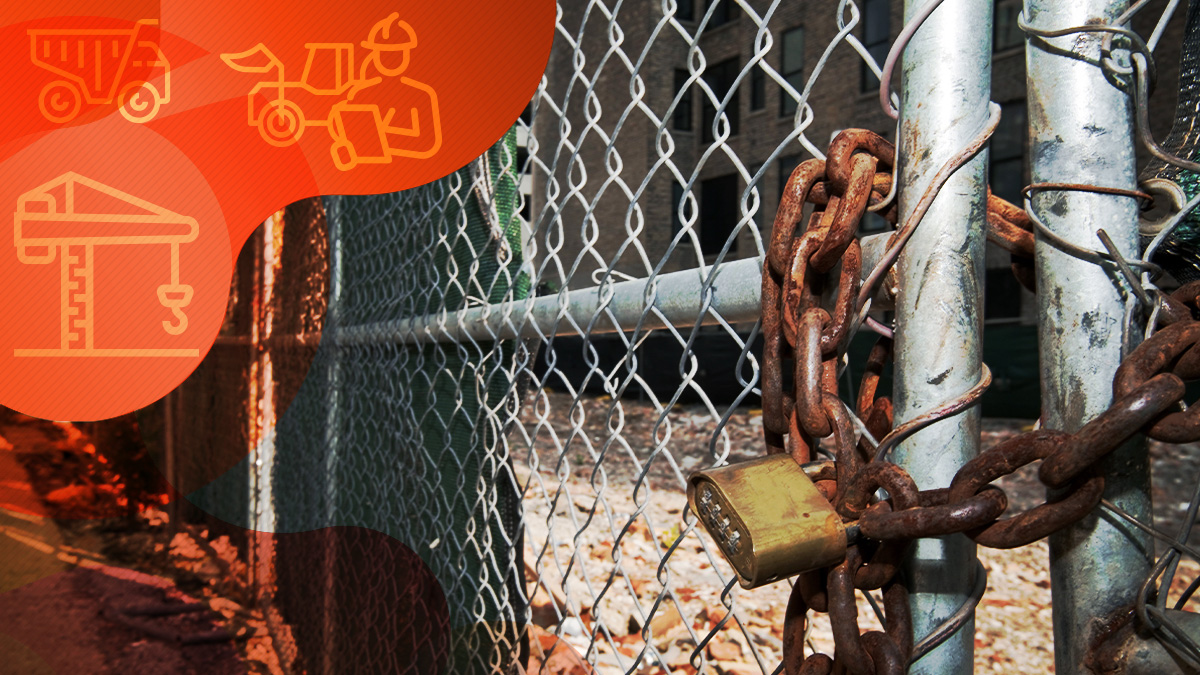
Temporary fencing is a cost-effective, efficient way to control access to and secure your site. It's a smart investment because a single run can be reused over and over, moved from site to site, and generally requires very little upkeep.
But wear and tear from regular use can affect the appearance of chain-link fence panels, and even shorten their lifespan, if they aren't properly maintained. Panels left untreated are more prone to damage, especially in extreme heat, cold, wind, rain, or high humidity.
Regular temporary fence maintenance keeps your investment looking its best and doing the job it was built to do.
Key Takeaways
- A five-step cleaning routine is all it takes. Rinse, scrub, rinse again, dry, and inspect, most panels need this only a few times a year.
- Rust starts at the bottom. The links and hardware closest to the ground are the most exposed to moisture and are where damage typically begins, so inspect that area closely every time.
- Anchors matter as much as cleaning. Purpose-built fence bases keep panels upright and stable, and outperform sandbags or concrete blocks, which can actually damage panels over time.
- Weather changes the maintenance schedule. Wind, heat, cold, and moisture each stress a fence differently, so seasonal conditions should shape how often you inspect and what you check for.
- Small issues are cheap; big ones aren't. Catching a loose tie wire or a rust spot early is inexpensive. Letting it go can mean a full panel or chain-link repair.
Why Is Fence Maintenance Important?
Perimeter fencing is a significant investment. It restricts access to your site or property, deters unauthorized entry, keeps your perimeter secure, and can even display your logo or message if you're using screens.
Fencing also plays a documented role in job site safety. OSHA recognizes physical barriers as one of the most effective ways to control site risks, which is part of why well-maintained perimeter fencing is treated as a core piece of a site's overall safety plan, not just a cosmetic add-on.
Here's why it's worth prolonging the lifespan of your temporary fencing:
- Avoid costly repairs. A minor issue left unaddressed can turn into a major repair bill, or a full replacement.
- Protect your investment. Temporary fencing is cost-effective because it's reusable, but it isn't cheap. A well-maintained fence can last for years.
- Ensure functionality. A fence's core jobs are privacy and security. Regular maintenance keeps it structurally sound enough to keep doing both.
- Prevent deterioration. Rain, wind, sun exposure, and snow all wear down fencing over time. Routine maintenance catches small problems before they become expensive ones.

How Long Does a Temporary Fence Last?
Fence lifespan depends on usage, weather exposure, build quality, and materials. A well-made, well-maintained fence can realistically last for a decade or more with the right care.
In SONCO's 50 years supplying safety and crowd control equipment, we've consistently seen the same pattern: fences that are cleaned, inspected, and properly anchored on a regular schedule outlast ones that aren't by a wide margin. The biggest single factor isn't the panel material, it's whether the fence is stabilized correctly.
Environmental factors also matter beyond the obvious weather extremes: mud, and job sites that use chemical sprays or sandblasting nearby, can bleed onto the fence and accelerate wear.

How to Maintain a Temporary Fence?
Chain-link fencing doesn't require a great deal of maintenance, but a regular washing and inspection routine keeps it looking good and functioning as it should.
Tools you'll need:
- Garden hose with sprayer nozzle
- Bucket
- Dish soap or gentle detergent
- Cleaning brush for stubborn debris
- Towel
| Step | What to Do | Why It Matters |
| 1. Rinse | Hose down the entire fence, starting at the top and fanning downward. | Removes loose dirt and debris before scrubbing. |
| 2. Scrub | Mix soapy water in a bucket; use the brush on stubborn spots like bird droppings. | Lifts debris that a plain rinse won't remove. |
| 3. Rinse again | Hose the fence down completely. | Clears away soap residue that can attract dirt. |
| 4. Towel dry | Wipe off excess moisture, especially near the bottom. | Standing moisture at the base is the leading cause of rust. |
| 5. Inspect | Check chain-links, posts, caps, and the bottom wire for rust or damage. | Catches small problems while they're still cheap to fix. |
| 6. Apply rust protection (if needed) | Treat any bare or rust-prone areas with a rust-protection coating. | Prevents surface rust from spreading, especially near soil and grass. |
Proper storage matters just as much as cleaning. When panels aren't in use, store them on a rack like the Sollage Fence Rack, which uses a reinforced base with extended feet and vertical sidebars to keep panels secure and prevent bending, warping, or torn mesh, while holding space for two dozen-plus panels.
Tips for Fence Maintenance in Harsh Weather
Weather is one of the biggest variables in how long a temporary fence lasts, and each condition puts stress on the fence differently.
- High heat: UV exposure can dry out and weaken plastic components like screen mesh and ties over time. Inspect these more frequently in summer months and replace brittle ties before they snap.
- Cold and freezing temperatures: Metal contracts in the cold, which can loosen tension and fittings. Check connections after a hard freeze and before a thaw, when ground shifting is most likely to knock anchors out of position.
- Wind: Wind is the single biggest cause of fence panels falling over. Anchors need to be rated for local wind loads, checked after any major storm, and re-secured immediately if a panel shifts.
- Rain and high humidity: Moisture accelerates rust, especially at the base of the fence. Increase inspection frequency during rainy seasons and make sure water isn't pooling against the bottom rail.
- Excessive dryness/arid conditions: Dust and grit can work into moving parts like gate hinges and clips. A quick rinse-down more often prevents this buildup from causing wear.
As a general rule, the harsher the local climate, the shorter the gap should be between inspections.
Expert Tips on Temporary Fencing
Fencing may not be a very glamorous or compelling topic like other aspects of your worksite, but it is an integral part of keeping those more glamorous and compelling things contained in your worksite safe and secure.
The more you know about fencing, how to care for it, and how to secure it, the better it will serve you for many years to come.
Take some time to look around at the many resource articles we provide that are intended to help you choose the right fencing for your project or worksite and help you stabilize it.
You can begin with our general reference guide and go from there. There’s a lot that goes into providing a safe, secure perimeter and we want to make sure you get the solution that fits your needs best.

FAQ: Temporary Fence Maintenance
How often should temporary fences be inspected?
For most job sites, a full inspection (checking for rust, loose ties, damaged mesh, and anchor stability) every 30 days is a good baseline. Increase that frequency to weekly or after every major storm in harsh weather, high-wind areas, or high-traffic sites.
How often do you need to seal your fence?
Chain-link panels that are galvanized or vinyl-coated typically don't need sealing at all. If you've applied a rust-protection coating to bare or damaged areas, check it every few months and reapply any time you see the coating wearing thin or rust starting to reappear.
How do you fix a rotten or rusted bottom of a fence?
Start by removing loose debris and cutting away any severely corroded mesh. Treat the remaining metal with a rust converter or protective coating, and replace any bottom rail or tie wire that's structurally compromised rather than patching it. For extensive corrosion, panel replacement is usually more cost-effective than repair — see our chain-link fence repair guide for a full walkthrough.
Can I use sandbags instead of proper anchors?
You can, but it's not recommended. Sandbags aren't designed for temporary fence stabilization, can shift or split over time, and are less visible than purpose-built anchors, which raises the risk of trips and falls. Learn more in our guide on sandbags for temporary fencing.
How long can a temporary fence stay up before it needs maintenance?
There's no fixed timeline (it depends on weather exposure and site conditions) but most fences benefit from their first inspection and light cleaning within the first 30 to 60 days of installation, then on a regular schedule after that.
Does temporary fencing need maintenance between rentals?
Yes. Panels should be cleaned and inspected before being redeployed to a new site, both to catch damage early and to keep the fence looking presentable for its next use.
Trend now

Temporary Fence Rental Lifespan: Tips to Make Your Fence Last Longer
Learn the storage habits that extend the lifespan of every panel.

How to Manage a Crowd at an Event: A Complete Guide for Event Managers
Learn how to manage a crowd at an event with proven strategies for planning, signage, barriers, staffing and more.

How to Install a Mesh Chain-Link Fence: Step-by-Step Guide
Learn how to install a mesh chain-link fence step by step.
Search for category
Request a quote now! 