






Hot-Dip Galvanized Steel Guide: Why the Coating Matters

Andrew Hession, December 2, 2021
Read more about the author


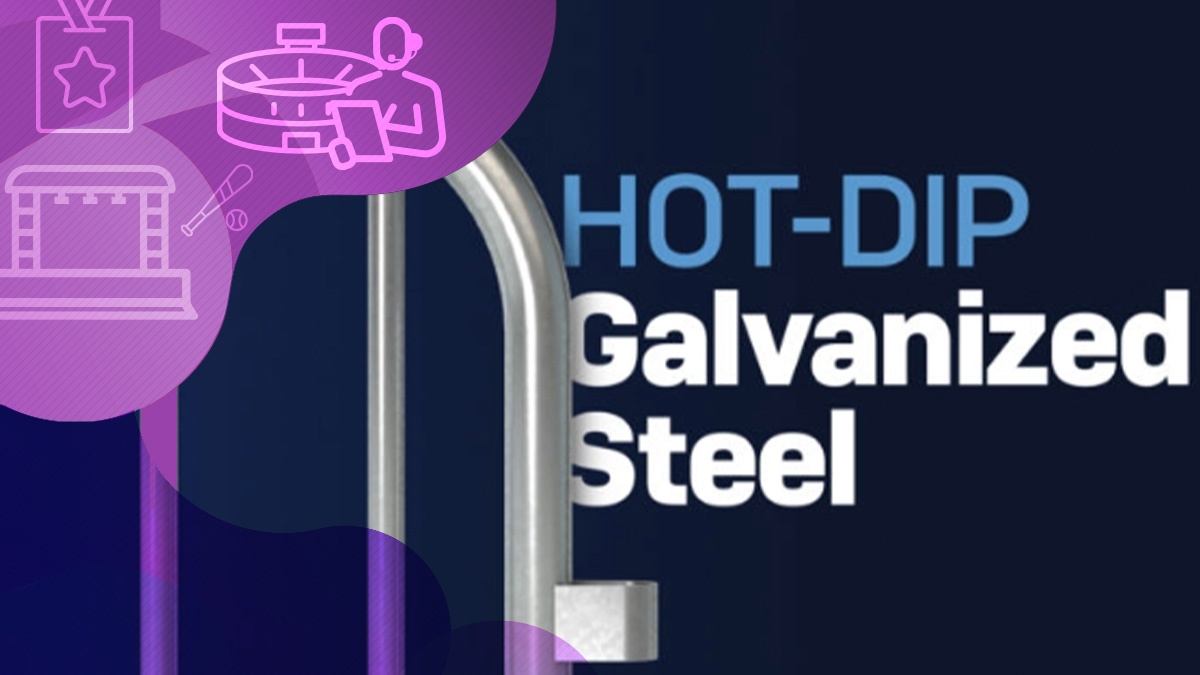
If you've ever compared two "galvanized" barricades side by side, you already know the label alone doesn't tell you much. Two fence panels can look nearly identical on day one and behave completely differently after a few seasons of outdoor events, job-site abuse, or storage in a non-climate-controlled yard.
The difference usually comes down to one thing: how the zinc coating was applied. Hot-dip galvanizing and pre-galvanizing sound similar, but they produce very different levels of corrosion resistance, coverage, and long-term durability. This guide breaks down what separates the two processes, how to spot a properly hot-dip galvanized fence, and why the coating method matters more than most buyers realize.
Key Takeaways
- Hot-dip galvanizing coats an entire fabricated panel (welds, seams, and tubing interiors included) after assembly, giving it far more thorough protection than pre-galvanized steel.
- Pre-galvanized components are coated before fabrication, which leaves welds, cut edges, and interior tubing exposed to corrosion.
- Hot-dip galvanized steel forms a four-layer, metallurgically bonded finish that can hold up for decades of outdoor use.
- You can often tell the two apart visually: hot-dip galvanized steel has a distinctive "spangle" texture and consistent coverage, even at welds and joints.
- For metal barricades and temporary fencing used outdoors, at events, or on construction sites, hot-dip galvanizing typically delivers a better long-term return than cheaper pre-galvanized alternatives.

What Is the Difference Between Hot-Dip Galvanized and Pre-Galvanized Steel?
Both processes coat steel with zinc to slow down rust and corrosion — but the timing of that coating is what sets them apart.
Pre-galvanized steel is coated with a thin layer of zinc before it's cut, welded, and formed into a finished product. Because the coating goes on first, the fabrication process that follows — cutting, welding, drilling, exposes bare steel at those points. Welds, seams, and tubing interiors end up with little to no zinc protection, which gives rust an easy entry point once the fence or barricade is out in the field.
Hot-dip galvanized steel flips the order. The entire panel is fabricated first, then fully immersed in a bath of molten zinc. Every surface — including welds, end-cuts, and interior tubing — gets coated in the process. That full-coverage approach is the main reason hot-dip galvanized barricades tend to outlast pre-galvanized ones in real-world conditions.
Advantages of Hot-Dip Galvanized Steel
Total coverage. Because galvanizing happens after fabrication, the zinc reaches every surface of the panel, including spots pre-galvanizing typically misses.
- Thicker, more durable coating. Hot-dip galvanizing builds up multiple layers of zinc-iron alloy plus a top layer of pure zinc, rather than a single thin coat.
- A true metallurgical bond. The zinc doesn't just sit on top of the steel — it chemically bonds with it, creating a hard, unified layer instead of a surface-level coating that can chip or peel.
- Better performance in tough conditions. Hot-dip galvanized fencing and barricades resist rust from repeated wet-dry cycles, temperature swings, rough handling, and long-term outdoor storage.
- Lower lifetime cost. While pre-galvanized products may cost less upfront, they tend to need earlier replacement, which can make hot-dip galvanized steel the more economical choice over time.
How to Tell If a Fence Is Hot-Dip Galvanized
Not sure whether a barricade or fence panel you're looking at is hot-dip galvanized or just pre-galvanized? A few visual and physical cues can help:
- Check for a "spangle" pattern. Hot-dip galvanized steel typically has a crystalline, frost-like texture on the surface — a byproduct of how the zinc solidifies after the panel is dipped. Pre-galvanized steel usually looks flatter and more uniform.
- Inspect the welds and joints. On hot-dip galvanized panels, the zinc coating should extend evenly over welds and seams. If welds look bare, dull, or thinly coated compared to the rest of the panel, it's likely pre-galvanized.
- Look inside the tubing, if possible. Hot-dip galvanizing coats interior surfaces too. A quick look (or a magnet/coating-thickness test, if available) at a cut end can reveal whether the coating extends inside the tube.
- Consider the coating thickness. Hot-dip galvanized coatings are generally noticeably thicker than pre-galvanized coatings, which can sometimes be felt or measured at edges and corners.
- Ask the manufacturer directly. Reputable suppliers should be able to confirm which process was used and back it up with coating specifications.
SONCO’s Hot-Dip Galvanized Steel Process
The zinc application method dictates how well your galvanized fencing withstands weather extremes and frequent use. Manufactured to last indefinitely, SONCO barriers and fences undergo our most durable galvanizing process: hot dipping. Hot-dipped, zinc-coated galvanized steel products deliver superior coverage and robust corrosion protection that keeps SONCO HDG fencing and barricades in service for decades.
Here’s how our proven hot-dip galvanized steel process works.
- SONCO fabricates temporary fencing panels and barricades from uncoated, heavy-duty steel.
- Manufacturing technicians inspect every piece to meet our high standards for quality.
- Panels are thoroughly cleaned and fully immersed in a bath of liquified zinc.
- The hot zinc bonds with the steel through a reliable chemical reaction.
- This hot-dip galvanizing reaction results in an exceptionally durable, four-layer finish: three base coats of zinc-iron alloy plus a top coating of pure zinc.
Hot-dip galvanized steel produces fence panels and barricades that retain their tell-tale spangle finish, year after year. According to the American Galvanizers Association, they also combat up to 70 years of hard use before succumbing to rust and corrosion.
Advantages of Hot Dipped Zinc Coated Galvanized Steel
Your investment in HDG barricades or fencing delivers a sure-fire ROI, especially if your construction company or event venue plans on aggressive use or storage in non-climate-controlled areas. Here’s why hot-dip galvanizing makes a big difference.
- More thorough coverage. The hot-dip process galvanizes the entire fence panel after it is built. This process covers welds, end-cuts and tubing interiors, guaranteeing a total solution to wear and tear.
- Thicker coating. Hot-dip galvanized steel has three layers of zinc alloy and a topcoat of pure zinc. SONCO’s HDG products are made to withstand the worst and last the longest.
- Complex metallurgical bond: The three inner coating layers form a chemical bond with the steel, producing an inseparable hard zinc-steel alloy instead of a more superficial “glaze.”
- Long-lasting durability. Hot-dip galvanized steel withstands wet conditions, extreme temperature changes, continuous use and worksite abuse, all without looking worn, rusty or neglected.
FAQ
How long will hot-dip galvanizing last?
In typical outdoor conditions, hot-dip galvanized steel can protect against rust and corrosion for several decades — often cited in the range of 50 to 70+ years, depending on the environment and how the equipment is maintained. Coastal areas, high humidity, or heavy chemical exposure can shorten that timeline, but hot-dip galvanizing still significantly outperforms pre-galvanized coatings in nearly all conditions.
Can hot-dip galvanized steel rust at all?
It can, but it takes significantly longer. The zinc coating corrodes at a much slower rate than bare steel, and because it covers welds and interior surfaces, there are far fewer weak points where rust can start.
Does hot-dip galvanized steel need special maintenance?
Not typically. Occasional cleaning to remove dirt, salt, or debris buildup can help preserve the finish, but hot-dip galvanized steel doesn't require repainting or recoating the way some other finishes do.
Can hot-dip galvanized barricades be repaired if damaged?
Minor surface damage can sometimes be touched up with zinc-rich compounds, but because the original coating is chemically bonded to the steel, it's more durable overall and less prone to the chipping or peeling that leads to repair needs in the first place.
Built for the Long Haul: SONCO's Hot-Dip Galvanized Barricades
Choosing the right coating process isn't just a technical detail — it's what determines whether your crowd control equipment still looks and performs well after years of festivals, construction projects, and job-site conditions. SONCO's full line of hot-dip galvanized barricades, fence panels, gates, and stands is built to handle that kind of use without cutting corners on coverage or durability.
If you're weighing pre-galvanized against hot-dip galvanized for an upcoming project or fleet upgrade, our product team can walk you through the options and put together a quote based on your volume and use case.
Request a Quote to see how hot-dip galvanized barricades can fit your budget and job requirements.
Trend now

Temporary Fence Rental Lifespan: Tips to Make Your Fence Last Longer
Learn the storage habits that extend the lifespan of every panel.

How to Manage a Crowd at an Event: A Complete Guide for Event Managers
Learn how to manage a crowd at an event with proven strategies for planning, signage, barriers, staffing and more.

How to Install a Mesh Chain-Link Fence: Step-by-Step Guide
Learn how to install a mesh chain-link fence step by step.
Search for category
Request a quote now! 