


Item in stock & Ships in 5 business days
Item 1 of 4

1 of 4


Ship To




Rentals

Sign In

Quote

Cart

Filter


1 of 4
1 of 4


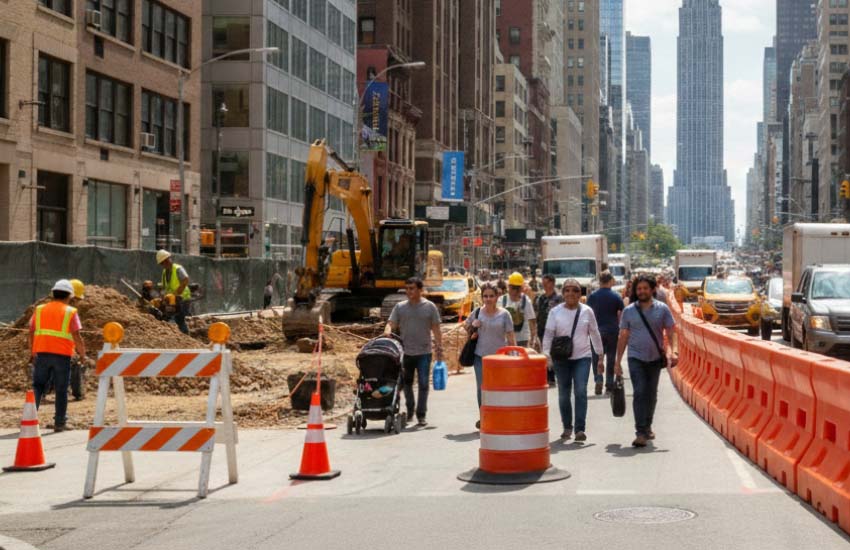
Traffic control equipment supports safe vehicle and pedestrian movement in construction zones, roadwork, parking areas, and public facilities. This category includes traffic cones, delineators, traffic control drums, portable barricades, and temporary traffic signs designed for compliant temporary traffic control setups.
These solutions help organize lane shifts, define work areas, and guide traffic flow in active environments. In-stock inventory with nationwide shipping available.

|
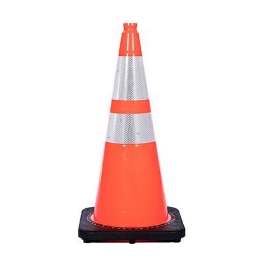
Traffic cones guide lane shifts, short-term closures, and pedestrian routing. Available in multiple heights and collar configurations. |
|
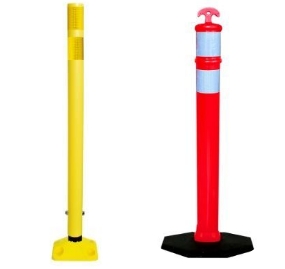
Flexible delineators help mark lane adjustments, construction boundaries, and restricted access areas. |
|
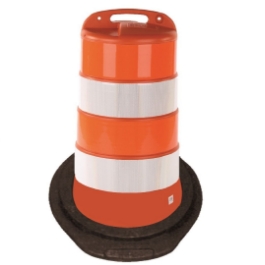
High-visibility traffic drums offer a highly-visible presence in high-speed construction zones and roadway projects. |
|
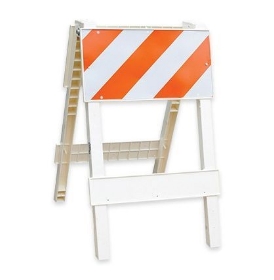
Type I, II, and III barricades help close roads, redirect traffic, and support detour planning. |
|
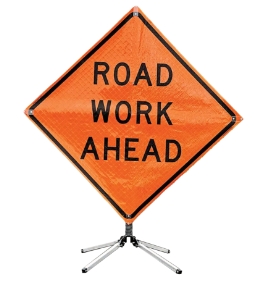
Regulatory, warning, and construction signs support compliant roadway communication and traffic organization. |
Traffic safety measures are typically needed when traffic flow must be diverted or managed for the following reasons:

|
When projects interrupt normal movement, Temporary Traffic Control supports drivers and pedestrians, creating safer, clearer traffic flow through unfamiliar routes. |

|
In Road Construction Safety environments, crews working alongside live traffic require structured Traffic Safety Equipment to separate work zones from travel paths while maintaining access. |

|
In parking areas, loading zones, campuses, and industrial sites, traffic safety solutions help manage continuous vehicle movement and define road traffic boundaries. |

|
Areas where vehicles and pedestrians interact frequently require traffic control measures that organize movement and prioritize pedestrian safety. |
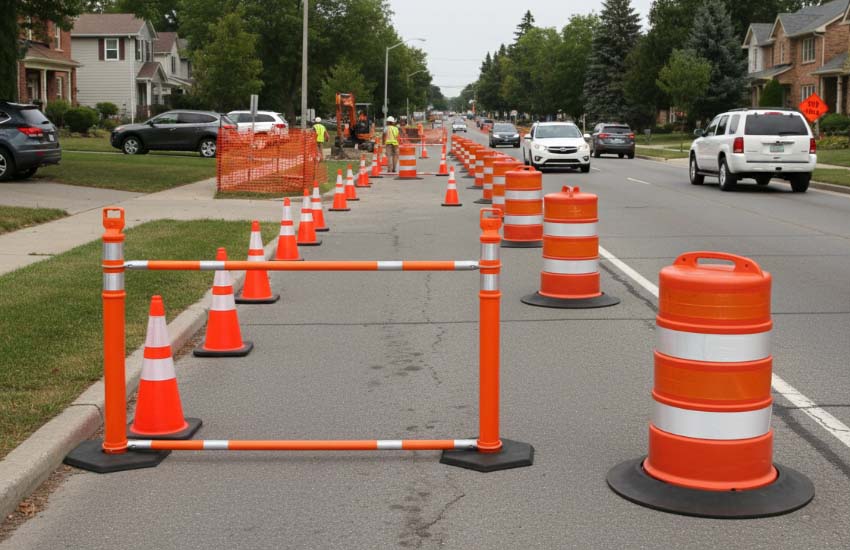
In construction traffic control, parking operations, and public facilities, traffic control equipment supports organized movement where vehicle routes and pedestrian paths frequently change. These solutions play a key role in roadway traffic control and pedestrian traffic control, helping define temporary routes, mark active work areas, and guide circulation across shared spaces. This category brings together adaptable tools used to create visual structure, manage short-term disruptions, and support safer flow in active public and operational settings.
1. What equipment is used for temporary traffic control?
A: Temporary traffic control typically uses traffic cones, delineators, traffic control drums, portable barricades, and temporary traffic signs. These tools help organize vehicle routes and pedestrian paths during construction traffic control, roadwork, and short-term operational changes.
2. When are traffic control drums required?
A: Traffic control drums are commonly used in roadway traffic control when higher visibility or added stability is needed, such as on busy roads, for lane shifts, or longer-duration construction projects. They help define travel paths and clearly mark active work zones.
3. What is the difference between cones and delineators?
A: Traffic cones are generally used for short-term pedestrian traffic control or quick layout changes, whereas delineators provide more permanent visual guidance for roadway traffic control, helping drivers navigate curves, lane transitions, and temporary routes.
4. What type of barricade is used for road closures?
A: Road closures typically use Type III barricades, as outlined in the Manual on Uniform Traffic Control Devices. These barricades are designed to block access to a roadway and are often paired with a ROAD CLOSED sign. Type I and Type II barricades are generally used for channelization or hazard marking, while traffic control drums are more common for lane shifts rather than full closures.
5. Are traffic control signs required for construction zones?
A: Yes. Traffic control signs are a core part of construction traffic control. They communicate lane changes, hazards, and detours, supporting both roadway traffic control and pedestrian traffic control around active work areas.
6. Where is pedestrian traffic control commonly applied?
A: Pedestrian traffic control is used wherever foot traffic overlaps with vehicles or construction activity, including sidewalks, parking areas, campuses, and public facilities. Equipment like cones, barricades, and temporary signs helps guide safe movement through changing layouts.
7. Does traffic control equipment replace fencing or crowd control systems?
A: No. Traffic control equipment works alongside fencing and crowd control barriers, forming a coordinated approach to managing vehicle flow, pedestrian access, and temporary site organization.
|
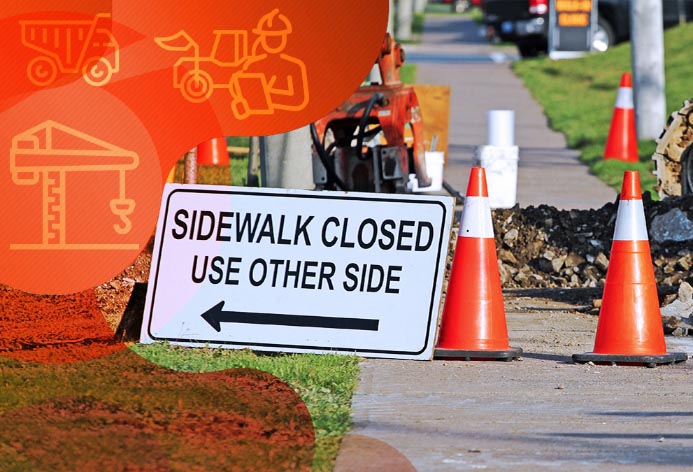
Learn the essentials of protecting pedestrians near construction zones with the correct traffic control equipment, for safer and compliant job sites. |
|
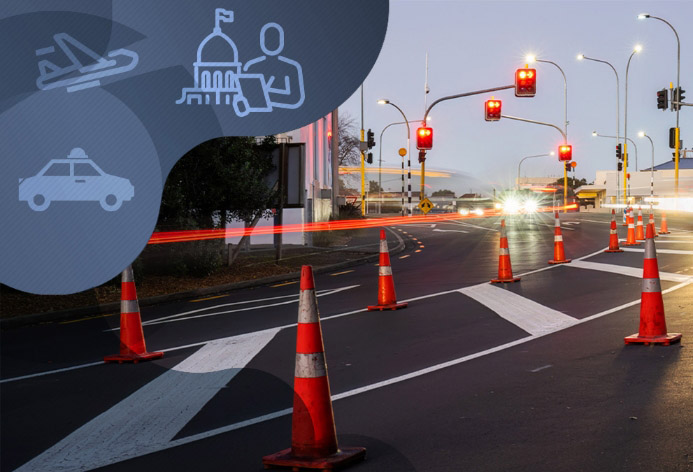
Master the essentials of traffic control and keep roads safe with this comprehensive guide to devices, strategies, and best practices. |


