






Temporary Fencing: Uses, Types, and Choosing the Right Option

Andrew Hession, July 12, 2019
Read more about the author


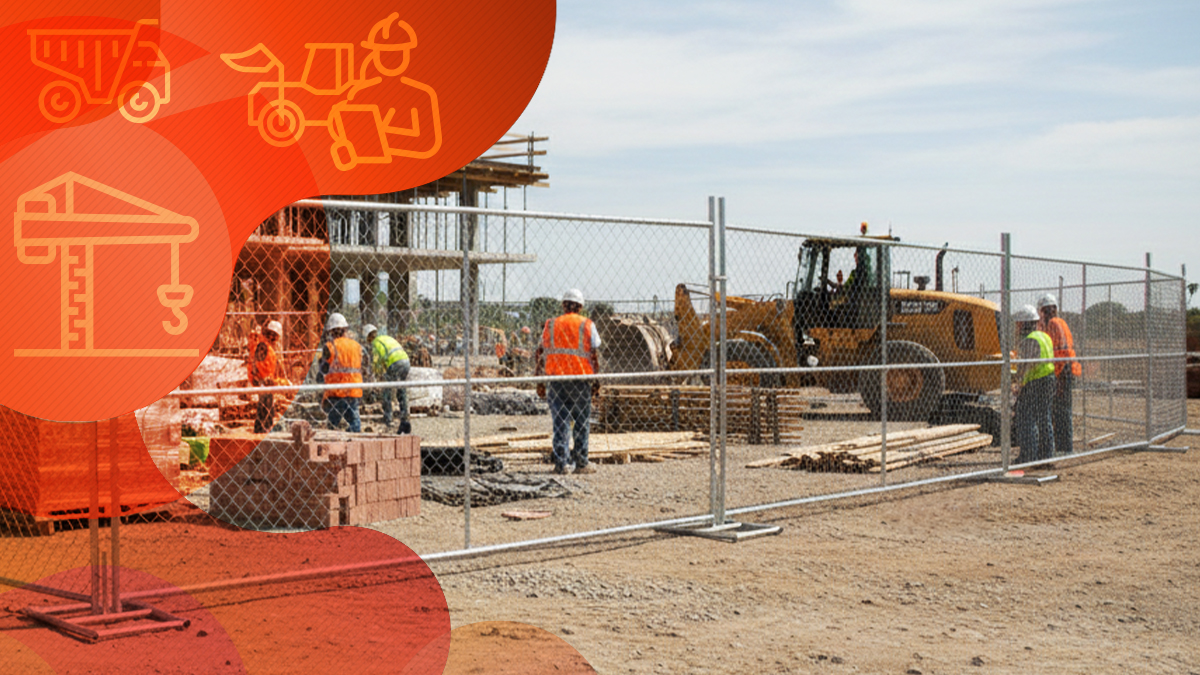
Temporary fencing is one of the fastest, most cost-effective ways to secure a site, whether that's a construction site, an event, or a short-term renovation project. It's also more than a convenience: on active job sites, perimeter control is directly tied to safety compliance, and OSHA fall protection standards remain among the most frequently cited violations in the industry.
But with five common types of temporary fencing (chain-link, welded wire, anti-climb, privacy screen, and barricade-style) choosing the right one isn't always obvious. Get it wrong, and you risk anything from wasted budget to a non-compliant site.
This guide breaks down what each type of temporary fencing is best for, the key factors to weigh before you buy or rent, and how to avoid the most common mistakes we see across construction, events, and site services projects.
Key Takeaways
- Five main types of temporary fencing exist, each suited to a different priority: chain-link (general security), welded wire (appearance + security), anti-climb (high-security), privacy screens (visibility/wind control), and barricade-style (crowd control).
- Fence choice should follow project duration: short-term jobs favor chain-link or barricade-style, while multi-month or repeat-use projects justify welded wire or anti-climb for durability. Renting suits one-time or short-term needs; buying pays off once you're fencing 3+ sites or running recurring projects, since rental costs compound quickly.
- Environmental factors matter as much as fence type: wind load (especially with privacy screens) and uneven terrain often require additional anchoring beyond a standard setup.
- Accessories aren't optional: anchor blocks, weights, and clamps are frequently what separates a fence that holds up from one that doesn't, particularly in high-wind or high-traffic locations.
What Is Temporary Fencing Used For?
Temporary fencing solves a specific problem: you need a secure, controlled perimeter for a limited period of time, without the cost or commitment of permanent fencing.
It installs in hours, not days, and works across a wide range of industries. Here's where it's most commonly used:
- Construction Sites: Temporary construction fencing keeps equipment, materials, and job sites secured against theft and unauthorized entry, while also supporting OSHA-related perimeter safety practices. Chain-link and anti-climb panels are the most common choice here, especially for sites storing high-value tools or materials overnight.
- Events & Venues: From concerts and festivals to sporting events, temporary fencing directs foot traffic, defines entry/exit points, and creates secure backstage or VIP zones. Barricade-style fencing is typically the go-to for crowd control, while privacy screening is often added around staging or equipment areas.
- Site Services & Rentals: Utility companies, equipment rental yards, and municipal projects use temporary fencing to establish clear perimeter control around active work zones, storage yards, or restricted areas, often on a rolling or seasonal rental basis rather than a one-time install.
- Home Renovations: For residential projects, temporary fencing keeps tools, materials, and open work areas secured from foot traffic, curious neighbors, or kids and pets. This is particularly important when a renovation leaves a yard, pool, or entry point exposed for weeks at a time.
Common Types of Temporary Fencing
There are five common types of temporary fencing, each built for a different combination of security, appearance, and budget. Here's how they compare:
Chain-Link Panels
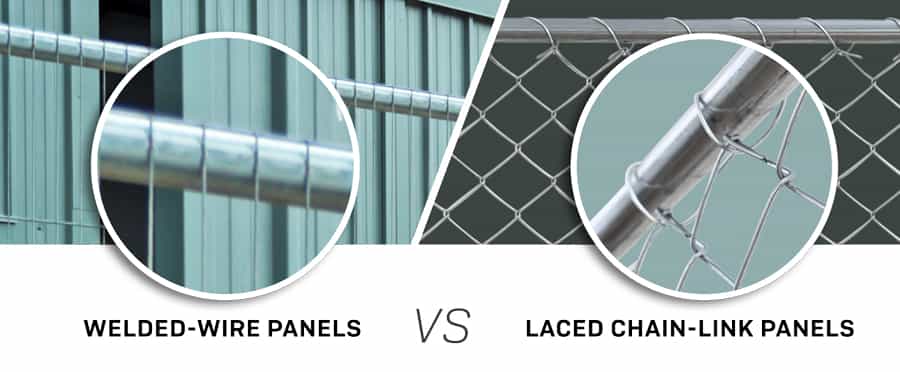
The industry standard for temporary fencing. Chain-link panels typically run 6 feet high and 12 feet wide, are galvanized for weather resistance, and stack easily for transport, making them the go-to for construction site security and general perimeter control. Best value for short- and long-term projects alike.
Welded Wire Panels
A step up in appearance without sacrificing strength. Welded wire panels use a tighter, cleaner mesh pattern than chain-link, making them a common choice for events, retail construction, and sites visible to the public where a polished look matters as much as security.
Anti-Climb Fencing
Purpose-built to resist scaling, anti-climb fencing uses a narrow mesh aperture that removes hand and foot holds.
Best suited for high-security construction sites, utility infrastructure, and any location storing high-value equipment or sensitive materials overnight.
Temporary Fence with Privacy Screens
Privacy screens attach directly to chain-link or welded wire panels to block sightlines, reduce dust and debris exposure, and improve the look of an active job site or event perimeter.
They also add wind resistance to a fence line, which matters more than most people expect.
Barricade-Style Fencing
Lightweight, freestanding, and fast to deploy, barricade-style fencing is the standard choice for crowd control at events, directing foot traffic, defining queue lines, and securing stage or vendor areas.
It trades durability for speed and mobility, so it's better suited to one-time or short-duration use than long-term site security.
How to Choose the Right Temporary Fencing for Your Project
Five factors drive most temporary fencing decisions. Weigh them in this order:
1. Project Duration
Short-term projects (days to a few weeks) generally do fine with chain-link panels, fast to install, fast to remove. Projects running months or spanning multiple phases hold up better with welded wire or anti-climb fencing, which are built for repeated use without degrading.
2. Site Conditions
Solid privacy screens increase wind load on a fence line, so panels may need additional anchoring or ballast in exposed areas.
On uneven terrain, confirm your fencing rental includes anchoring options (stakes, concrete feet, or interlocking bases) rather than assuming flat-ground setup.
3. Level of Security Needed
For sites storing valuable equipment or materials, anti-climb fencing paired with a privacy screen is the strongest combination, it removes both visibility and scalability.
For crowd management rather than asset protection, barricade-style fencing is designed for that job specifically and is overkill to upgrade beyond.
4. Reusability vs. One-Time Use
Chain-link and welded wire panels are built to be redeployed across multiple sites or seasons, which lowers cost-per-use over time if you're renting or buying for recurring projects.
Barricade-style fencing is lighter-duty and better suited to single-event use where mobility matters more than longevity.
5. Transport and Storage
If you're self-installing, chain-link panels are the easiest option, they stack flat, require no specialized equipment to move, and fit in a standard truck bed or trailer.
Heavier security fencing (anti-climb, welded wire) may require pallet delivery and equipment for larger quantities.
The right answer usually comes down to matching security level and reusability to your project timeline: not just picking the cheapest option upfront.
If you want to make sure that you are doing the right choice of temporary fencing, check the table below:
| Fence Type | Best For | Security Level | Reusability | Ideal Project Duration |
| Chain-Link Panels | Construction sites, general perimeter security | Moderate | High: stacks and moves easily | Short to long-term |
| Welded Wire Panels | Events, sites where appearance matters | Moderate/High | High: durable across multiple sites | Medium to long-term |
| Anti-Climb Fencing | High-security sites, sensitive materials | High | High: built for repeated heavy use | Long-term |
| Privacy Screens (add-on) | Blocking visibility, improving aesthetics | Add-on, not standalone | Moderate: screen wear over time | Short to medium-term |
| Barricade-Style Fencing | Crowd control at events, foot traffic management | Low–Moderate | Moderate: lightweight, less durable | Short-term / one-time use |

Temporary Fencing for Different Industries
Different industries have different fencing priorities. They can be security, appearance, mobility, or speed of deployment. Here's how the requirements shift by sector:
Construction
Site security is the primary driver here, temporary fencing controls access, protects materials and equipment from theft, and creates a documented perimeter that supports OSHA-related safety practices. Residential projects typically use standard chain-link at 4-6 ft heights, while commercial and industrial builds often require 6+ ft fencing with anti-climb features, especially where high-value equipment or hazardous materials are stored overnight.
Site Services & Rentals
Site services providers and rental companies use temporary fencing to define active work zones and secure equipment across multiple, often rotating job sites. Because these fences get redeployed frequently, durability and ease of transport matter more than in a single-site scenario — chain-link and welded wire panels tend to be the default for this reason.
Venues & Arenas
For concerts, festivals, and sporting events, temporary fencing does double duty: crowd management (directing flow, defining queue lines, securing entrances) and site security (restricting backstage or equipment access). Barricade-style fencing typically handles crowd flow, while chain-link or welded wire secures perimeter and equipment zones, often in the same event.
Public Sector
Municipalities and public agencies use temporary fencing for crowd control during protests and public gatherings, emergency response perimeters, and construction zones in public rights-of-way. Fast deployment and easy reconfiguration matter most here, since public-sector fencing needs often shift with little notice.
Buying vs. Renting Temporary Fencing: Which Is Right for You?
The buy-vs-rent decision comes down to frequency of use and project duration.
When Buying Makes Sense
If you're fencing multiple sites per year or running long-term projects, buying typically pays for itself within a handful of uses, since rental fees compound quickly on recurring projects.
Ownership also means the fencing is available on your timeline, not dependent on rental company inventory.
When Renting Makes Sense
For one-time events or a single short-term construction project, renting avoids the upfront cost of panels you may not need again, plus the ongoing cost of storage and maintenance between uses.
Most rental agreements also include delivery and pickup, which offsets a meaningful chunk of the labor buying would require.
What Repeat-Use Projects Need to Consider
If temporary fencing is a recurring need, it's worth comparing the cost of higher-grade panels (galvanized chain-link or welded wire) against your typical annual rental spend, durability differences matter more once you're accounting for wear across many deployments rather than a single use.
Anti-climb fencing, in particular, tends to justify its higher price point once reused across three or more sites.

Common Mistakes When Selecting Temporary Fencing
Choosing Based on Price Alone
The cheapest per-panel rate often comes with thinner gauge material or weaker connectors, both of which show up as failures during wind events or extended use. Weigh cost against the fence's actual job (security vs. crowd control vs. visual screening) rather than treating all temporary fencing as interchangeable.
Ignoring Environmental Factors
Wind load, ground conditions, and weather exposure all affect fence performance in ways that aren't obvious upfront. Privacy screens increase wind resistance significantly, which means sites in open or high-wind areas often need additional anchoring.
Uneven or soft terrain may also require different anchoring than the standard stake-and-base setup.
Not Planning for Accessories
Anchor blocks, anchor weights, clamps, and privacy screens aren't optional add-ons for high-traffic or high-wind sites. They're actually the difference between a fence that holds and one that doesn't. Budget for these upfront rather than treating them as an afterthought once the panels are already on-site.
Temporary Fencing Options from SONCO
With 50 years of experience, SONCO is your trusted partner for temporary fencing solutions. We offer a wide range of high-quality fences designed to meet the needs of any project, whether you’re working on a construction site, hosting an event, or securing a home renovation.
We specialize in durable, easy-to-install fencing options that provide reliable security and flexibility. Our temporary fences are built to last and offer the best value for your project.
No matter your requirements, we have the right temporary fencing solution for you, backed by our decades of expertise in the industry.
Explore Our Temporary Fencing Options – Request a Quote Today

FAQs About Temporary Fencing
Here are some of the most frequently asked questions we get about temporary fencing. We’ve answered them to help guide you through the process:
- How long can temporary fencing be used?
Temporary fencing can last as long as you need it for, whether it’s a few weeks for an event or several months on a construction site. The quality of the fencing will determine how well it holds up over time.
- Is temporary fencing reusable?
Yes! One of the great things about temporary fencing is its versatility. If it’s maintained properly, you can reuse it for multiple projects.
- Does temporary fencing require permits?
Depending on your location and the type of project, you may need a permit for temporary fencing, especially in public spaces or high-security areas. It’s always a good idea to check with your local authorities.
- What accessories are needed?
Accessories like anchor bases, clamps, and privacy screens are important to ensure your fencing is secure, stable, and does the job it’s meant to.
If you have more questions or need help deciding what type of fence is right for you, feel free to contact us!
Trend now

Temporary Fence Rental Lifespan: Tips to Make Your Fence Last Longer
Learn the storage habits that extend the lifespan of every panel.

How to Manage a Crowd at an Event: A Complete Guide for Event Managers
Learn how to manage a crowd at an event with proven strategies for planning, signage, barriers, staffing and more.

How to Install a Mesh Chain-Link Fence: Step-by-Step Guide
Learn how to install a mesh chain-link fence step by step.
Search for category
Request a quote now! 