






How to Prevent Fan Violence at Concerts

Nick Criscuolo, July 12, 2021
Read more about the author


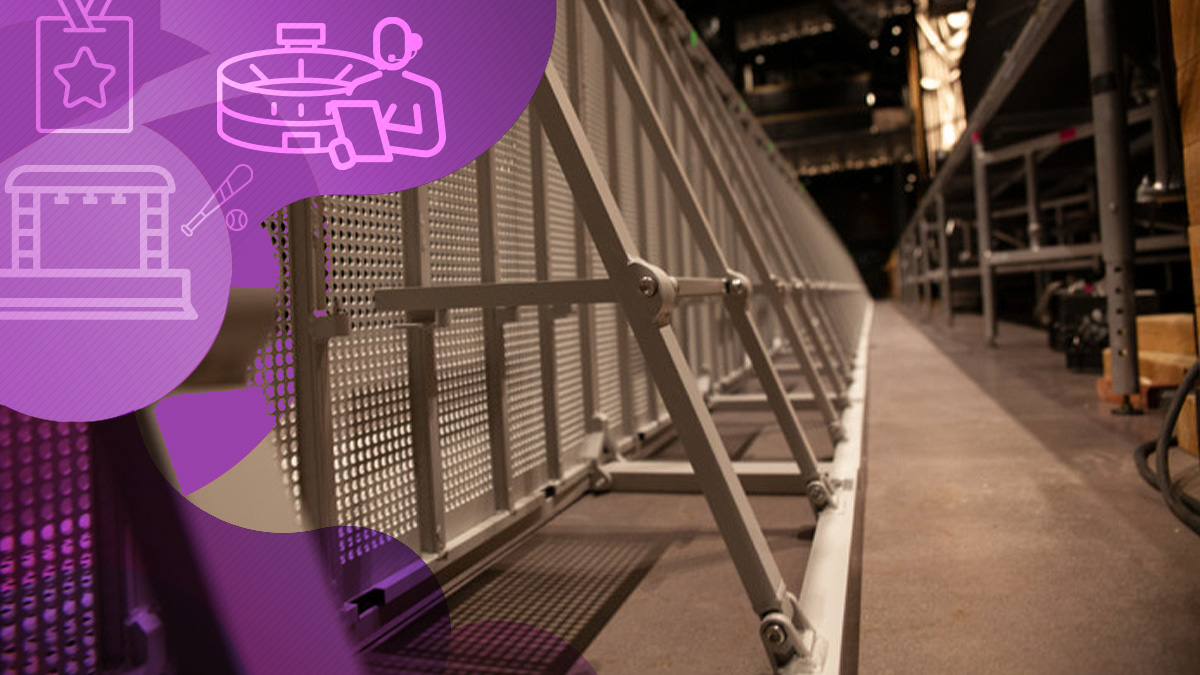
Concert crowd violence isn't a new problem, but it's one that event organizers, venue operators, and security teams can't afford to treat as an afterthought. From mosh pits that turn dangerous to bottleneck stampedes at exits, fan aggression puts attendees, performers, and staff at real risk, and it exposes venues to serious liability.
The good news: most fan violence incidents are predictable and preventable. With the right mix of planning, perimeter security, staffing, and crowd management equipment, event organizers can dramatically reduce the odds of a dangerous incident and keep the focus on the music. This guide breaks down what triggers fan aggression, the key steps to preventing it, and how the right barricades and fencing play a central role in concert safety.
Key Takeaways
- Most fan violence has identifiable triggers. Substance use, overcrowding, heat, noise, and event delays are the most common drivers of aggressive crowd behavior.
- Prevention starts before doors open, with risk management plans, ticketing strategy, staffing levels, and site layout decided well in advance.
- Barricades and perimeter fencing are foundational tools, separating the stage from the crowd, restricting access to restricted areas, and controlling pedestrian flow.
- Adequate, well trained security staff, scaled to crowd size and sellout status, is one of the single biggest factors in preventing incidents from escalating.
- Clear sightlines, lighting, and signage reduce confusion, which in turn reduces the frustration that often precedes conflict.
Before the Event: Recognizing Fan Aggression Triggers
To effectively prevent fan violence at concerts, event organizers should consider all factors at play when concert-goers gather. Here are some key culprits driving aggressive behavior and violence at shows:
- Substance overuse. Those anticipating an immersive experience may arrive at show venues already altered by alcohol and drugs—and the imbibing often continues throughout the event.
- Lowered inhibitions. In a widely-referenced 2013 poll by MSN News, nearly half of music festival attendees said concert environments had caused them to behave in ways they’d “never consider” otherwise. Reported actions included sleeping with a stranger (25%), taking drugs (21%) and getting into a physical altercation (21%).
- Complex event logistics. Controlling concert crowds becomes even more problematic when drugs and reckless behavior meet slow-moving queues, seating mix-ups, concert delays and disappointing performances. As fan frustration grows, it often feeds aggression and leads to violence.
- Intense concert environments. Overcrowded spaces, low light conditions, high indoor temperatures and heightened noise contribute to event confrontations between attendees, performers and security personnel. Effective concert crowd control starts with minimizing or diffusing these triggers whenever possible.
Eight Key Steps to Concert Crowd Control
1. Devise Detailed Emergency Procedures
Take a proactive approach to concert security by working with local stakeholders, including police, fire, and medical services, to build a comprehensive risk management plan. This should include a strong police or security presence and a clear protocol for handling restless or combative fans during delays. Some of the worst instances of concert violence have occurred when performers failed to appear or left the stage mid-show, so your plan needs a specific response for that scenario.
2. Maintain Distance Between the Stage and Audience
Set up an open buffer zone, typically 15 to 30 feet deep, between fans and performers. This space protects both the crowd and the artists from surging bodies and thrown objects. Concert barricades reinforce this separation and help control risky behaviors like moshing, stage diving, and crowd surfing before they put anyone in danger.
3. Avoid General Admission and Festival Seating
Single-line, ticketed entry lets staff screen attendees for prohibited items, manage pedestrian flow, and prevent the overcrowding and shoving matches that unassigned seating tends to invite. Ushers can then move people to their designated seats quickly, keeping the kind of crowd surges common at open-floor events to a minimum.
4. Highlight and Illuminate Entryways, Exits, and First-Aid Stations
Clear, easy-to-read signage paired with well-lit pathways to restrooms, exits, and medical stations keeps confusion, and the frustration it causes, to a minimum. In an emergency, good lighting and signage can also be the difference between an orderly exit and a dangerous crush.
5. Block Spectator Access to Restricted Areas
Backstage areas, green rooms, and lighting or facility control rooms all need to stay off-limits to attendees. Stage barricades, gate-hinged barriers, reinforced steel barricades, and temporary fencing allow authorized crew to move freely while keeping unauthorized guests out of critical areas.
6. Use Remote Cameras and Aerial Observation
Live camera feeds and aerial views give security teams real-time visibility into blocked aisles, forming conflicts, and other developing problems, often before they're visible from ground level. Catching a flashpoint early gives staff time to intervene before it turns into a full-blown incident.
7. Hire and Train Sufficient Security Personnel
Security staff need to be trained not just to spot trouble, but to de-escalate it and remove disruptive patrons safely. As a rule of thumb, boost security headcount by 15 to 30 percent for sold-out shows. Every staff member should know the emergency evacuation procedure and understand the chain of command, so response stays coordinated instead of chaotic.
8. Employ Crowd Control Measures to Secure the Perimeter
Perimeter fencing and barriers control who enters the venue and direct the flow of attendees once they're inside. Strong perimeter security has prevented tragedies before, a lesson learned the hard way at the Who's sold-out 1979 Cincinnati concert, where 11 waiting attendees died in a stampede for open seating.

FAQs
What causes fan violence at concerts?
Fan violence is usually driven by a combination of factors rather than a single cause. Alcohol and drug use, overcrowding, poor sightlines, heat, noise, and frustration from delays or logistical problems all raise the odds of a confrontation.
How much security staff do I need for a concert?
Staffing needs vary by venue size and event type, but a common benchmark is increasing security headcount by 15 to 30 percent above baseline for sold-out shows, with clear training on de-escalation and evacuation procedures.
What's the best way to keep fans away from the stage?
An open buffer zone of 15 to 30 feet between the stage and the crowd, reinforced with concert barricades, is the standard approach to preventing surges, thrown objects, and unauthorized stage access.
Do barricades really help prevent crowd crushes?
Yes. Barricades and perimeter fencing control pedestrian flow, prevent bottlenecks at entrances and exits, and create clear channels for evacuation, all of which reduce the risk of the kind of crush that has caused fatalities at past events.
Can perimeter fencing serve a marketing purpose too?
Yes. Custom-printed fence screens and barricade covers let organizers turn required security fencing into sponsor visibility or event promotion, without adding extra infrastructure.
Secure Your Next Concert With Dual-Duty Fencing
Perimeter fencing does double-duty when paired with custom-printed fence screens, banners and concert barricade covers. SONCO’s in-house designers transfer print-ready images to sign templates or create high-impact graphics to promote your upcoming event or advertise for sponsors. Fence covers and barrier jackets are a proven way to screen out curious onlookers, monetize your events and advertise for upcoming shows.
Connect with SONCO Perimeter Security for online shopping that’s safe, accurate and affordable. We guarantee it!
Make your next concert, festival or event safe and successful.
Request an online product quote or call 866.202.6753 to speak with a customer service representative.

Trend now

Temporary Fence Rental Lifespan: Tips to Make Your Fence Last Longer
Learn the storage habits that extend the lifespan of every panel.

How to Manage a Crowd at an Event: A Complete Guide for Event Managers
Learn how to manage a crowd at an event with proven strategies for planning, signage, barriers, staffing and more.

How to Install a Mesh Chain-Link Fence: Step-by-Step Guide
Learn how to install a mesh chain-link fence step by step.
Search for category
Request a quote now! 