






Construction Types Explained: Materials, Fire Resistance, and Jobsite Impact

SONCO, June 24, 2024
Read more about the author


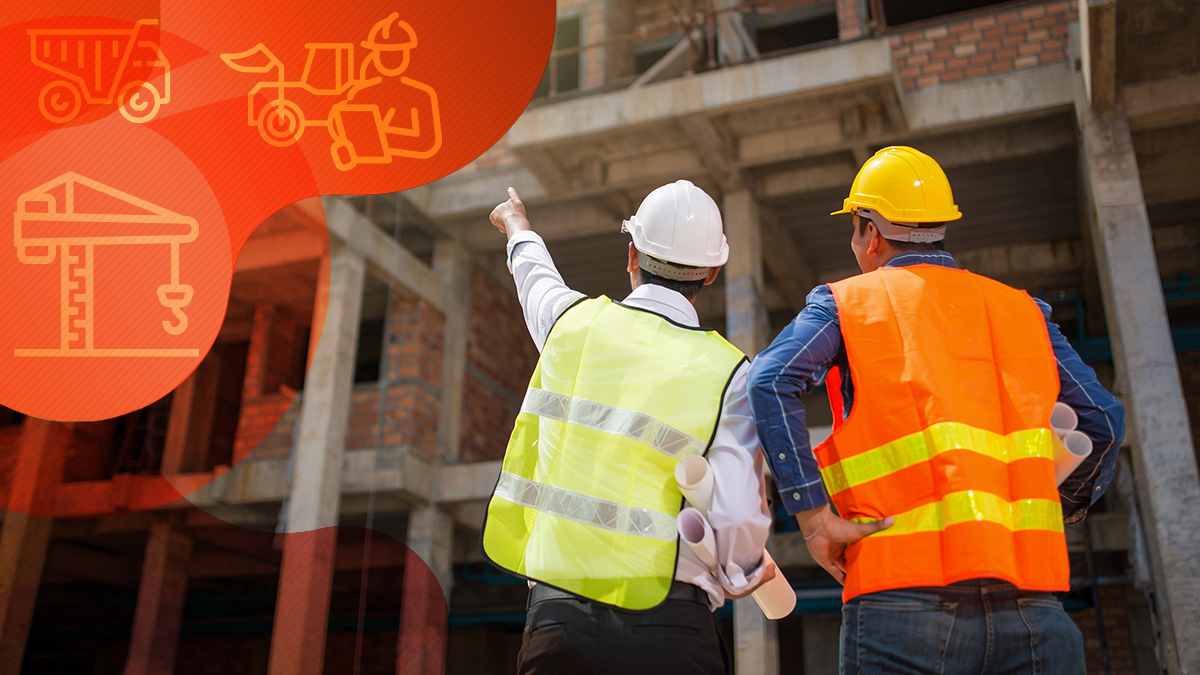
Construction types explain how a building is built, what materials hold it together, and how it performs under fire and structural stress.
These classifications shape more than code requirements.
They influence access planning, temporary protection, site layout, and how teams manage active areas during construction or renovation.
Knowing the construction type early helps avoid planning mistakes, supports safer work zones, and sets clearer limits for how a site can be organized.
This guide explains the five main building construction types, compares how they differ, and shows why those differences matter on real jobsites, not just on paper.
What Are Construction Types
Construction types classify buildings based on the materials used and how those materials perform under fire and structural stress.
These classifications are used in building codes to define safety requirements, design limitations, and inspection standards.
Each construction type groups buildings with similar characteristics, such as combustibility, fire resistance, and structural strength.
This structure helps authorities and project teams apply consistent rules throughout a building’s lifecycle.
Construction types also influence day to day jobsite decisions, including access planning, temporary protection, and site organization.
Knowing the construction type gives a clearer view of how a building behaves during construction or renovation.

The 5 Main Building Construction Types
Building codes group structures into five primary construction types. Each one reflects material use, fire resistance, and structural behavior.
Type I Fire Resistive Construction
Type I buildings use noncombustible materials with the highest fire resistance ratings. These structures are commonly used for high rise buildings, hospitals, and large commercial facilities, where fire protection and structural stability are critical.
Type II Non Combustible Construction
Type II construction also uses noncombustible materials, but with lower fire resistance compared to Type I. This type is common in warehouses, big box retail, and light industrial buildings.
Type III Ordinary Construction
Type III buildings combine noncombustible exterior walls with combustible interior elements, such as wood framing. This type is often found in older commercial buildings and multi use residential structures.
Type IV Heavy Timber Construction
Type IV construction relies on large dimension wood members that provide natural fire resistance due to their size. These buildings are typical in mills, industrial facilities, and historic timber structures.
Type V Wood Frame Construction
Type V buildings are made with combustible materials throughout, including wood framing. This is the most common construction type for residential housing, low rise apartments, and small commercial buildings.
Construction Types Comparison at a Glance
The table below compares the five main building construction types based on materials, fire resistance, and common uses.
It provides a quick way to understand how each type differs without reading every definition in detail.
Construction Type
Primary Materials
Fire Resistance Level
Common Building Examples
Type I – Fire Resistive
Concrete, protected steel
Very high
High-rise buildings, hospitals, large commercial structures
Type II – Non Combustible
Steel, metal decking, concrete
Moderate
Warehouses, industrial buildings, big-box retail
Type III – Ordinary
Masonry exterior, wood interior
Moderate
Older commercial buildings, mixed-use residential
Type IV – Heavy Timber
Large dimension wood members
Moderate to high
Historic buildings, mills, timber commercial structures
Type V – Wood Frame
Wood framing throughout
Low
Houses, apartments, small offices
Looking at construction types side by side makes it easier to see which buildings rely on noncombustible materials, which use wood framing, and how fire resistance varies between categories.

Why Construction Types Matter on Active Jobsites
Construction type shapes how a jobsite is organized and managed.
Material choice, structural behavior, and fire resistance all influence access planning, work sequencing, and temporary protection needs.
For example, buildings with combustible framing often require more controlled work zones and clearer separation between active areas, while noncombustible structures may support different staging and storage approaches.
Renovation projects can also present mixed conditions, where parts of a structure fall under different construction types.
Understanding the construction type helps teams plan safe access routes, material handling areas, and perimeter control from the start.
It also supports better coordination as the project moves through different phases and site conditions change.
Fire Resistance and Code Considerations
Fire resistance is one of the main factors used to define construction types. Building codes assign different requirements based on how long structural elements can withstand fire exposure and how materials behave under heat.
These requirements affect:
- Structural design limits
- Inspection and approval processes
- Allowed building use and occupancy
Construction type does not replace local code review. Instead, it provides a baseline that authorities use to apply specific fire and safety standards.
In some projects, especially renovations or mixed-use buildings, multiple construction types may apply within the same structure.
Understanding how fire resistance ties to construction type helps teams anticipate code requirements early and avoid surprises during inspections or approvals.
Common Mistakes When Understanding Construction Types
Misunderstandings around construction types usually come from assumptions rather than code definitions.
1) Assuming material alone defines the type
Concrete, steel, or wood use by itself does not determine construction type. Fire resistance ratings and structural assemblies matter.
2) Confusing occupancy with construction type
How a building is used does not change its construction type. These are separate classifications with different purposes.
3) Overlooking mixed construction conditions
Renovations and additions can create buildings with more than one construction type, which affects inspections and planning.
4) Applying the same safety expectations to every type
Different construction types behave differently under stress. Planning should reflect those differences.
Avoiding these mistakes helps teams apply construction type information accurately and consistently.
Applying Construction Types to Jobsite Setup
Construction type affects how space is controlled and how people and equipment move across a jobsite.
As materials, layouts, and fire resistance vary, sites often need temporary structures that can change as the project progresses.
Temporary fence panels help define work zones, storage areas, and restricted sections, especially on sites that expand or shift over time.

Gates support controlled access for workers, vehicles, and deliveries, while accessories like bases, clamps, and stands keep fence lines stable across different ground conditions.

Metal barricades are commonly used to manage pedestrian flow, equipment separation, and short term work areas, particularly in mixed use or renovation environments.

These tools help teams maintain clear boundaries without relying on permanent construction.
Using the right combination of fencing, barricades, and access components allows teams to adjust site layouts safely, respond to changing phases of work, and keep jobsite organization consistent across different construction types.

How SONCO Supports Different Construction Environments
Different construction types create different demands on active jobsites. Changing layouts, restricted areas, and safety requirements often call for temporary solutions that are reliable and easy to adapt.
SONCO provides temporary fence panels, metal barricades, gates, and accessories designed to support a wide range of construction conditions.
These products help define perimeters, manage access points, guide pedestrian movement, and separate active work zones as projects move through different phases.
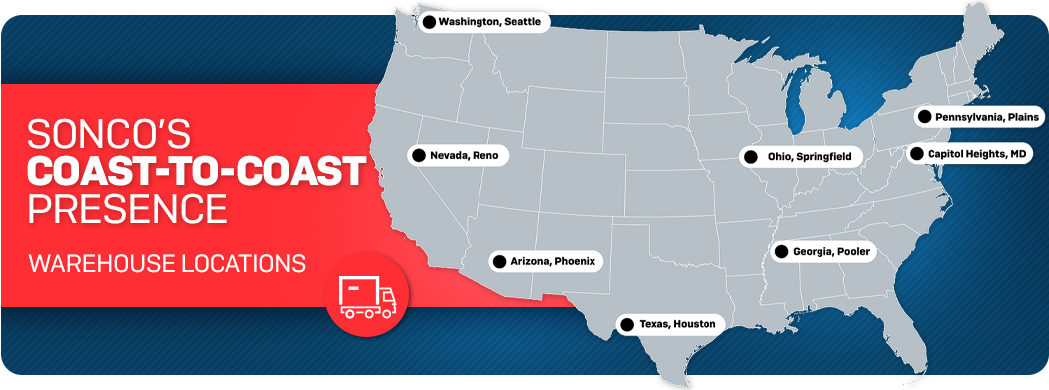
With nationwide inventory, fast delivery, and expert guidance, SONCO helps construction teams select equipment that fits both the construction type and the realities of the jobsite.
This support allows teams to stay organized, adjust layouts as needed, and maintain safer working environments throughout the project lifecycle.
Trend now

Temporary Fence Rental Lifespan: Tips to Make Your Fence Last Longer
Learn the storage habits that extend the lifespan of every panel.

How to Manage a Crowd at an Event: A Complete Guide for Event Managers
Learn how to manage a crowd at an event with proven strategies for planning, signage, barriers, staffing and more.

How to Install a Mesh Chain-Link Fence: Step-by-Step Guide
Learn how to install a mesh chain-link fence step by step.
Search for category
Request a quote now! 